
Reasons Why You Should Remove a Tree Stump
Tree stumps left behind in your yard present a multitude of issues ranging from safety hazards to pest infestations. The process of removing these stumps, often through stump grinding, is vital for maintaining the health and aesthetics of your outdoor space. This article will delve into the reasons why stump removal is beneficial and explore the most common concerns associated with it.
How Does Stump Grinding Work?
Understanding the Basics of Stump Grinding
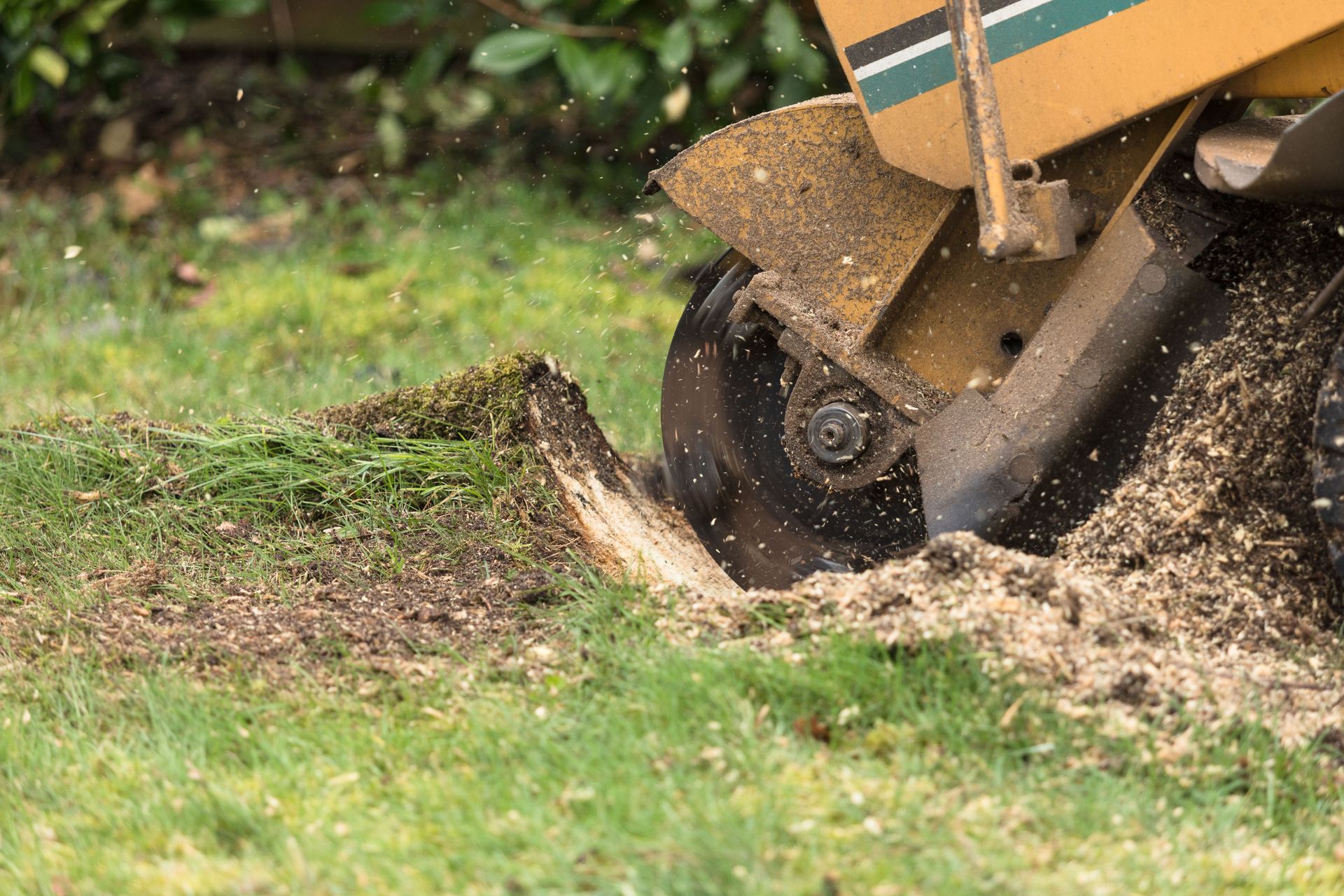
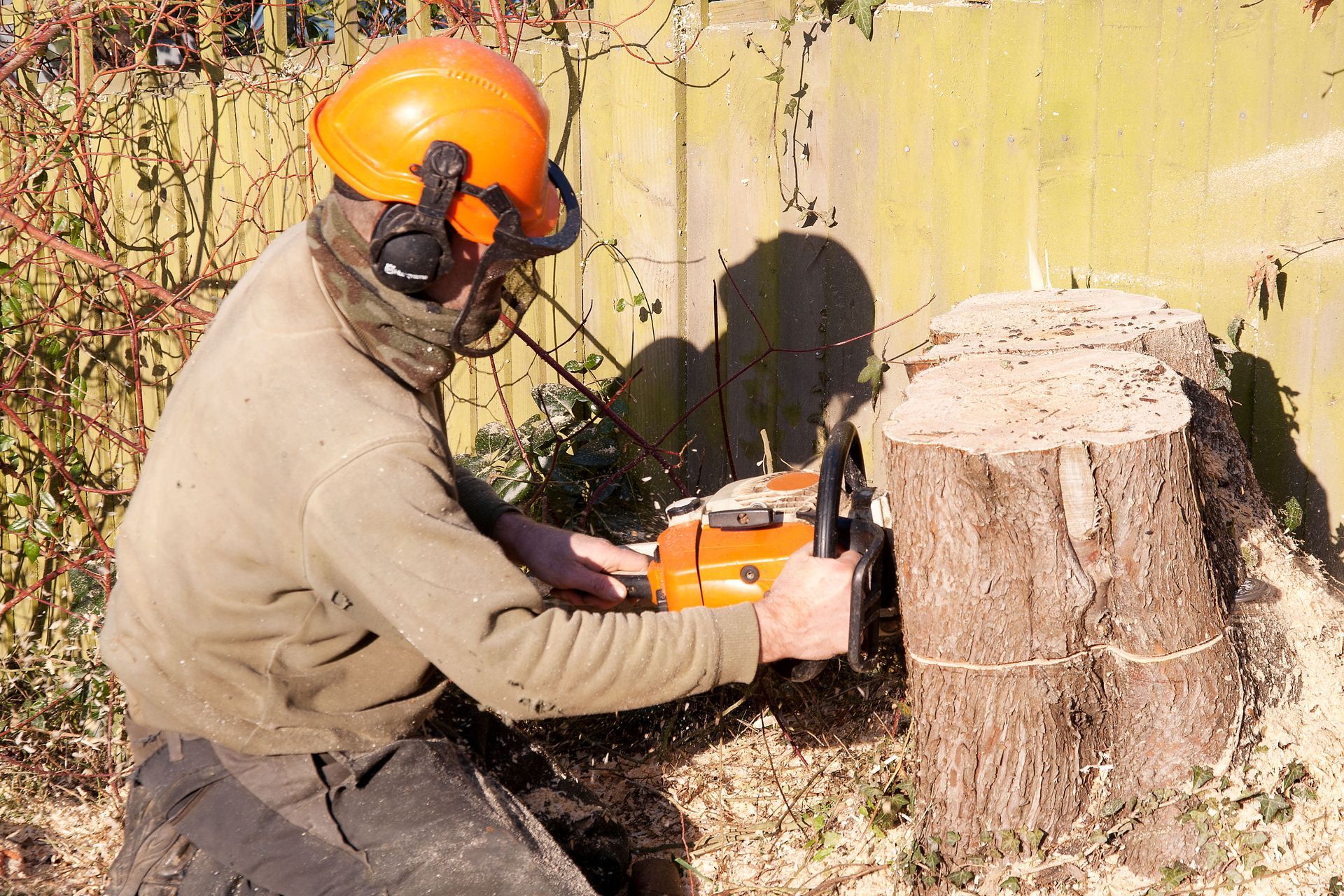
Stump grinding is a method used to eliminate tree stumps by shredding them into small wood chips that sit just below the surface of the dirt. This process prevents unsightly and dangerous remnants from lingering in your yard. Tree stump removal is typically done using a machine that employs a rotating cutting disc to chip away at the wood, effectively turning the stump into mulch. According to This Old House, tree stumps are ground from between 6 inches and 10 inches below ground level, ensuring the remnants are well out of sight and out of mind.
The Equipment Involved
The equipment needed for stump grinding varies depending on the size and location of the stump. For most cases, a standard stump grinder will suffice. These machines range from smaller, handheld models suitable for tiny stumps and tight spaces to larger, more powerful units designed for big stumps in open areas. Understanding the right equipment to use is crucial, as oversizing can damage the surrounding lawn, while undersizing will prove inefficient.
Stump Grinding vs. Stump Removal
While tree stump grinding focuses on breaking down the stump to just below the soil surface, stump removal involves a more extensive process of uprooting the entire stump along with its root system. The primary advantage of grinding over removal is its non-invasive nature, which leaves less disturbance to the surrounding landscape. On the downside, stump grinding doesn't eliminate the roots, which can sometimes lead to minor regrowth if left unchecked.
How Long Does the Process Take?
The duration of stump grinding varies based on the stump's size and the grinder's capability. On average, the process can take anywhere from 15 minutes to several hours. Smaller tree stumps typically require less time, while larger varieties or those with broad, expansive root systems may need extensive grinding. Proper planning and scheduling can help minimize disruption to your yard maintenance routine.
What Are the Benefits of Removing a Tree Stump?
Enhanced Aesthetics and Yard Space
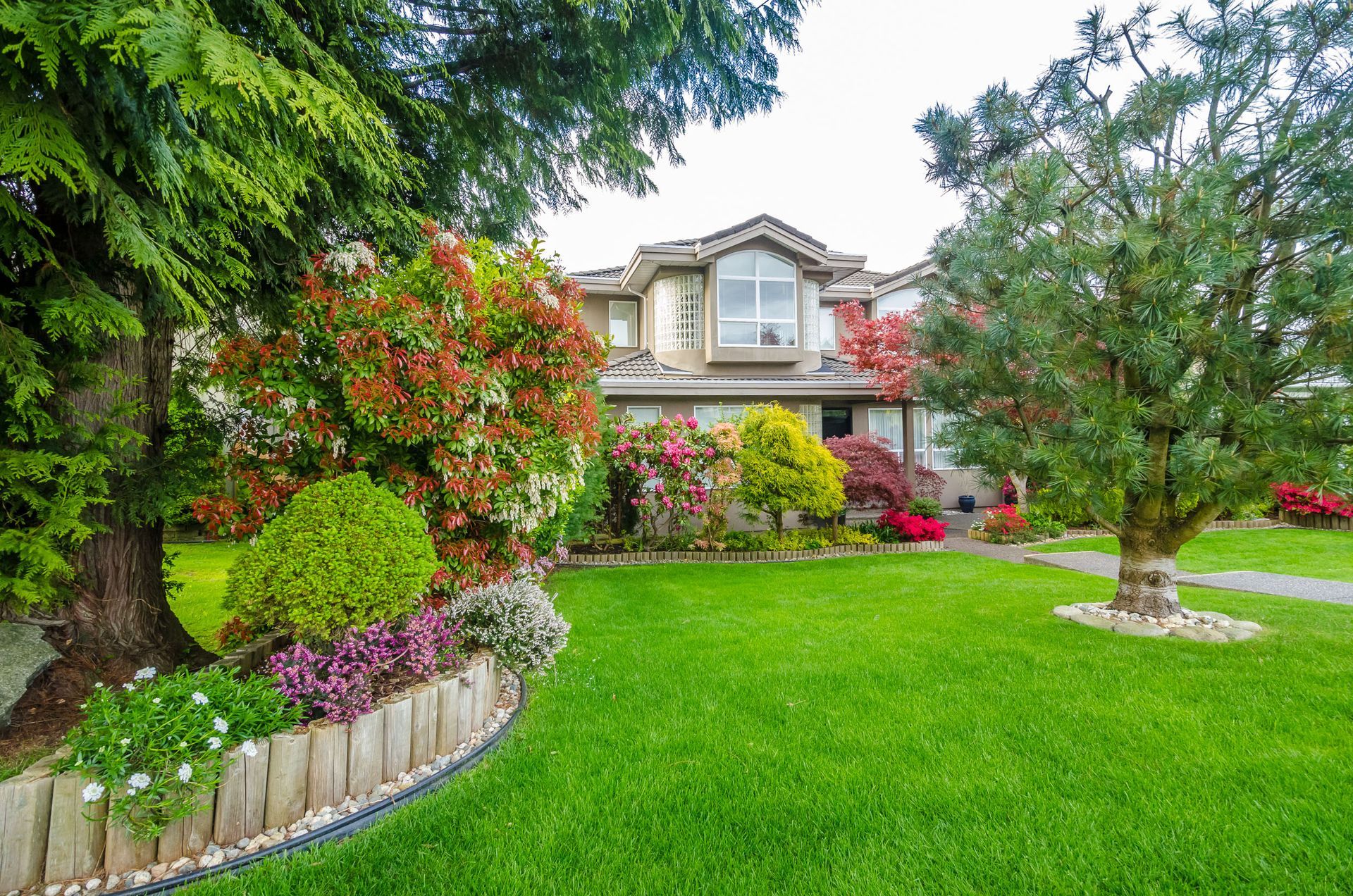
Removing a tree stump can significantly enhance the visual appeal of your yard. Stumps can detract from the overall beauty of a well-maintained landscape, serving as an eyesore amid lush, green surroundings. By grinding or removing them, you can reclaim valuable yard space for gardening, leisure, or other landscaping pursuits, making the most of your property.
Preventing Pest Infestations
Tree stumps can become a breeding ground for various pests, including termites, ants, and beetles. These pests not only threaten the wooden structures on your property but can also affect the health of your existing vegetation. By opting for stump grinding, you effectively eliminate potential pest habitats, making your yard a safer and healthier place for you and your family.
Improved Safety and Reduced Hazards
Beyond being unsightly, tree stumps can pose significant safety hazards. They present tripping risks, especially for children playing in the yard or when mowing the lawn. By removing these stumps, you reduce the likelihood of accidents and injuries, ensuring the yard remains a safe environment for everyone.
Preventing Regrowth and Suckering
Some trees are notorious for attempting to regrow even after being cut down. If left unattended, tree stumps can sprout new shoots, leading to a cluster of small trees that detract from the yard's appearance. Stump grinding effectively halts regrowth by destroying the remaining stump, preventing unwanted suckering and preserving the aesthetic flow of your garden.
Can Stump Grinding Damage My Yard?
Potential Impact on Lawn and Landscaping
While tree stump grinding is less invasive than full stump removal, it can still affect the surrounding landscaping. The process may leave a noticeable depression in the lawn, requiring soil and possibly sod to restore the area to its original look. Additionally, the equipment, if not handled properly, has the potential to damage adjacent plants or structures.
How to Mitigate Potential Damage
To avoid damaging your yard during stump grinding, it's essential to prepare the area beforehand. Remove any nearby debris or obstacles that may interfere with the grinding process and ensure that the machine is operated by a trained professional. By taking these precautions, you can minimize the risks associated with stump grinding and maintain the integrity of your landscape.
Sod Replacement Solutions
Once the stump has been ground, filling in the resulting hole with topsoil and replacing the sod can help restore the area's appearance. Depending on the size of the stump and the depth of the grinding, you may need to add several inches of soil to level the ground before laying fresh grass. Over time, this will integrate with the surrounding lawn, blending seamlessly into your yard.
Signs of Over-Grinding
Though stump grinding is generally low-risk, over-grinding can occur if the operator goes too deep, damaging the soil's structure and impacting drainage. Signs of over-grinding include excessively large holes, water pooling, and compacted soil in the affected area. Monitoring the grinding depth and consulting with professional landscapers can help prevent such issues.
What Happens to the Wood Chips After Stump Grinding?
Repurposing Wood Chips in Your Garden
Wood chips generated during stump grinding can be a valuable resource for your garden. These chips can be used as mulch to suppress weeds, retain soil moisture, and moderate soil temperature, thereby enhancing plant health. This sustainable repurposing not only reduces waste but also brings functional benefits to your garden beds.
Effective Composting Techniques
If mulching isn't desired, incorporating wood chips into a compost pile is an effective alternative. The chips should be mixed with other organic materials to produce nutrient-rich compost. Over time, they will break down, enriching the compost with essential nutrients that can be returned to your garden to support healthy plant growth.
Safe Disposal Methods
For those who opt not to use wood chips, proper disposal is crucial. Wood chips can be spread thinly over large areas to prevent decay-related issues or disposed of through local yard waste facilities. It is imperative to follow local guidelines regarding organic waste disposal to keep your waste management practices environmentally friendly.
Environmental Benefits of Wood Chips
Beyond functional benefits, reusing wood chips is environmentally advantageous. By repurposing the chips into mulch or compost, you are contributing to a circular ecosystem that reduces reliance on synthetic fertilizers and pesticides. This approach supports sustainable gardening practices that benefit both your local environment and the wider ecosystem.
Deciding to remove a tree stump is an important part of maintaining a safe and beautiful outdoor environment. By understanding the process of stump grinding and evaluating the benefits of stump removal, you can make informed decisions that best serve your needs. Whether opting for DIY solutions or hiring professionals, it's crucial to approach stump removal with knowledge and care. Reach out to Traditional Tree Service today to see how we can help to improve the overall property value and aesthetic of your home.
Share On: