
What to Expect During a Professional Stump Grinding Service
Removing a tree is only half the job. Once the trunk is gone, a stubborn stump often remains, sitting in the middle of your lawn like an unwelcome reminder of the work still to be done. That's where stump grinding comes in. This process transforms an eyesore and tripping hazard into a level, usable patch of yard, but the process involves more steps than most homeowners realize. Understanding what happens before, during, and after a professional service can help you prepare your property, set realistic expectations, and get the most value from the job. Below, we walk through each phase of a typical stump grinding appointment so you know exactly what to expect.
Understanding What Stump Grinding Involves
Stump grinding is the process of mechanically shredding a tree stump, along with its surface-level roots, down below the soil line. Unlike full stump removal, which physically pulls the entire root system out of the ground, grinding focuses on eliminating the visible obstruction and the shallow structure just beneath it. A specialized machine equipped with a rotating cutting wheel chews through the wood, reducing the stump to a pile of wood chips in a relatively short amount of time. This method is popular because it's faster, less disruptive to surrounding soil, and typically more affordable than excavation-based removal. It also leaves the area ready for replanting, resodding, or hardscaping much sooner than traditional removal methods allow.
Preparing Your Property Before Stump Grinding Begins
Before any equipment arrives, a few preparation steps make the process smoother and safer. Homeowners should clear the area around the stump of any decorative elements, furniture, or loose debris that could interfere with the machinery. It's also worth noting the general location of any irrigation lines, buried cables, or underground utilities, since grinding equipment can reach several inches below the surface. A professional crew will typically confirm utility locations before beginning work, but sharing what you know in advance helps avoid delays. If the stump sits near a fence, driveway, or foundation, mentioning this ahead of time allows the crew to select the right equipment and approach for tight spaces. Taking these small steps before the appointment ensures the stump grinding crew can get straight to work without unnecessary interruptions.
What Happens During the Stump Grinding Process
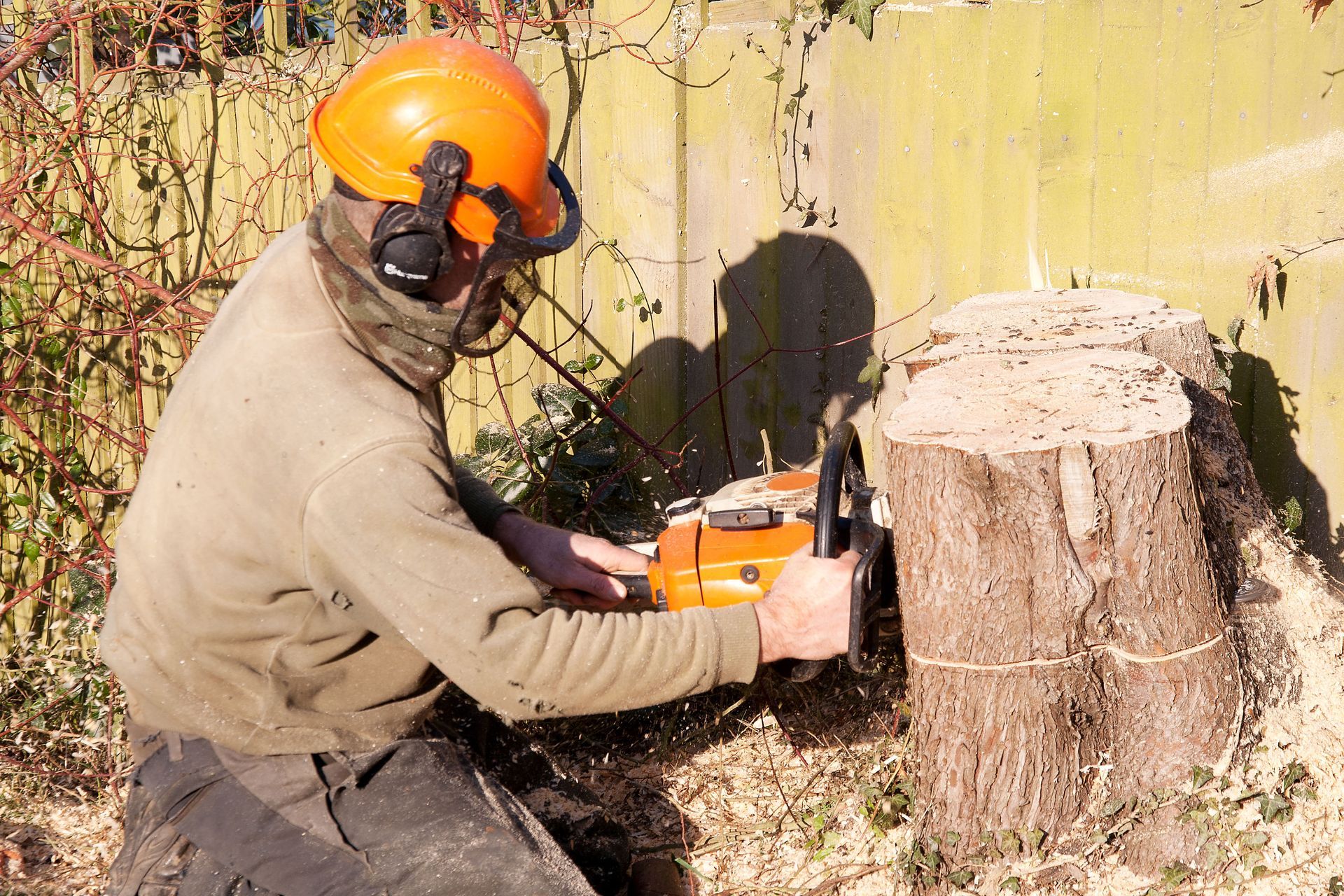
On the day of service, the crew will typically begin by inspecting the stump's size, wood density, and root spread to determine the right grinding depth and equipment settings. Most professional-grade grinders use a wheel lined with carbide teeth that spin at high speed, slowly working across the stump's surface until it's ground down several inches below grade. The crew moves the machine methodically across the stump and its visible roots, layer by layer, until the wood is reduced to mulch-like chips. Safety is a major focus during this stage, since flying debris and the grinder's power require careful handling and protective barriers around the work zone. Throughout the process, the team monitors the depth and angle of the grind to ensure the final result sits low enough that it won't interfere with future lawn mowing, landscaping, or construction plans. This attention to detail is one of the clearest reasons stump grinding should be left to trained professionals rather than attempted with rented equipment.
How Long Stump Grinding Typically Takes
One of the most common questions homeowners ask is how long the job will actually take. The answer depends largely on the size and condition of the stump in question. According to This Old House, grinding a single stump can take anywhere from two to six hours, with larger or denser stumps naturally requiring more time than smaller ones. Root depth, wood hardness, and soil composition all play a role in determining where a particular job falls within that range. Multiple stumps on one property will obviously extend the total appointment length, though experienced crews often work efficiently enough to complete several in a single visit. Knowing this general timeframe ahead of time helps homeowners plan their day and avoid unrealistic expectations about how quickly stump grinding wraps up.
What to Do With Your Yard After Stump Grinding
Once the machine work is finished, you're left with a shallow depression filled with wood chips where the stump used to be. Many companies will leave these chips on-site as mulch, while others offer haul-away service if you'd prefer a completely clear yard. Either way, homeowners have several options for what comes next. The leftover hole can be backfilled with topsoil and reseeded with grass, turned into a small garden bed, or leveled off in preparation for a patio or walkway extension. It's worth waiting a short period before heavy planting, since the ground may need to settle and any remaining root fragments will naturally decompose over time. This final stage is where the benefits of professional stump grinding really become visible, as your yard transitions from an obstacle course back into usable, attractive outdoor space.
Why Hiring Professionals Makes a Difference
While rental grinders are available at some hardware stores, hiring a professional crew for stump grinding offers advantages that are hard to replicate on your own. Trained technicians know how to read a stump's size and root structure to select the right equipment and grinding depth, reducing the risk of damage to nearby structures, utilities, or irrigation systems. Professional-grade machines also complete the job faster and more thoroughly than most consumer equipment, leaving a cleaner, more consistent result. For most homeowners, the time saved and peace of mind gained from hiring experienced professionals far outweigh the cost of the service itself.
Common Signs You Need Stump Grinding Services
Not sure if it's time to call in a professional? A few signs make the decision easy. Stumps that attract pests like termites or carpenter ants pose a risk to nearby trees and even your home's foundation. Tripping hazards in high-traffic areas of the yard are another red flag, especially if children or pets frequently play outside. Stumps that sprout persistent new growth can also signal it's time for grinding, since the root system is still actively trying to regenerate. If you're planning to landscape, install a patio, or simply reclaim usable space, these signs all point toward scheduling a stump grinding appointment sooner rather than later.
Factors That Affect Stump Grinding Costs
Pricing for stump grinding varies based on several key factors that professionals evaluate before providing a quote. Stump diameter is usually the biggest driver, since larger stumps require more time, more equipment wear, and more labor to complete. Location also matters, as stumps in tight or hard-to-access areas may require smaller machinery or additional maneuvering. Root spread and wood density can extend the job as well, particularly with older or harder tree species. Some companies charge a flat rate for smaller jobs and a per-inch rate for larger ones. Understanding these variables helps homeowners budget accurately and avoid surprises when the final invoice arrives.
Removing a stump is one of those small property upgrades that makes a noticeable difference in how a yard looks and functions. From the initial inspection to the final cleanup, professional stump grinding is a process built on precision, the right equipment, and an understanding of what lies beneath the surface. Knowing what to expect at each stage, from prep work to timeline to aftercare, helps homeowners feel confident going into the appointment and satisfied with the results that follow. If you have a stump taking up space in your yard, don't wait for it to become a bigger hassle. At Traditional Tree Service, we handle every stump grinding job with the care, equipment, and expertise your property deserves. Reach out to us today to schedule your appointment and reclaim your yard.
Share On: