
Stump Grinding 101: What to Know
Stump grinding is a crucial process in maintaining the aesthetics and safety of your landscape. Whether you're dealing with an old tree stump in your backyard or preparing a site for construction, understanding the ins and outs of stump grinding can save you both time and money. This comprehensive guide will walk you through what you need to know about stump grinding. With a growing appreciation for well-manicured landscapes, the removal of tree stumps has become a prominent task for homeowners and professionals alike. Beyond aesthetics, stumps can pose potential hazards, complicating garden designs and offering a breeding ground for pests.
The Basics of Stump Grinding
What is Stump Grinding?
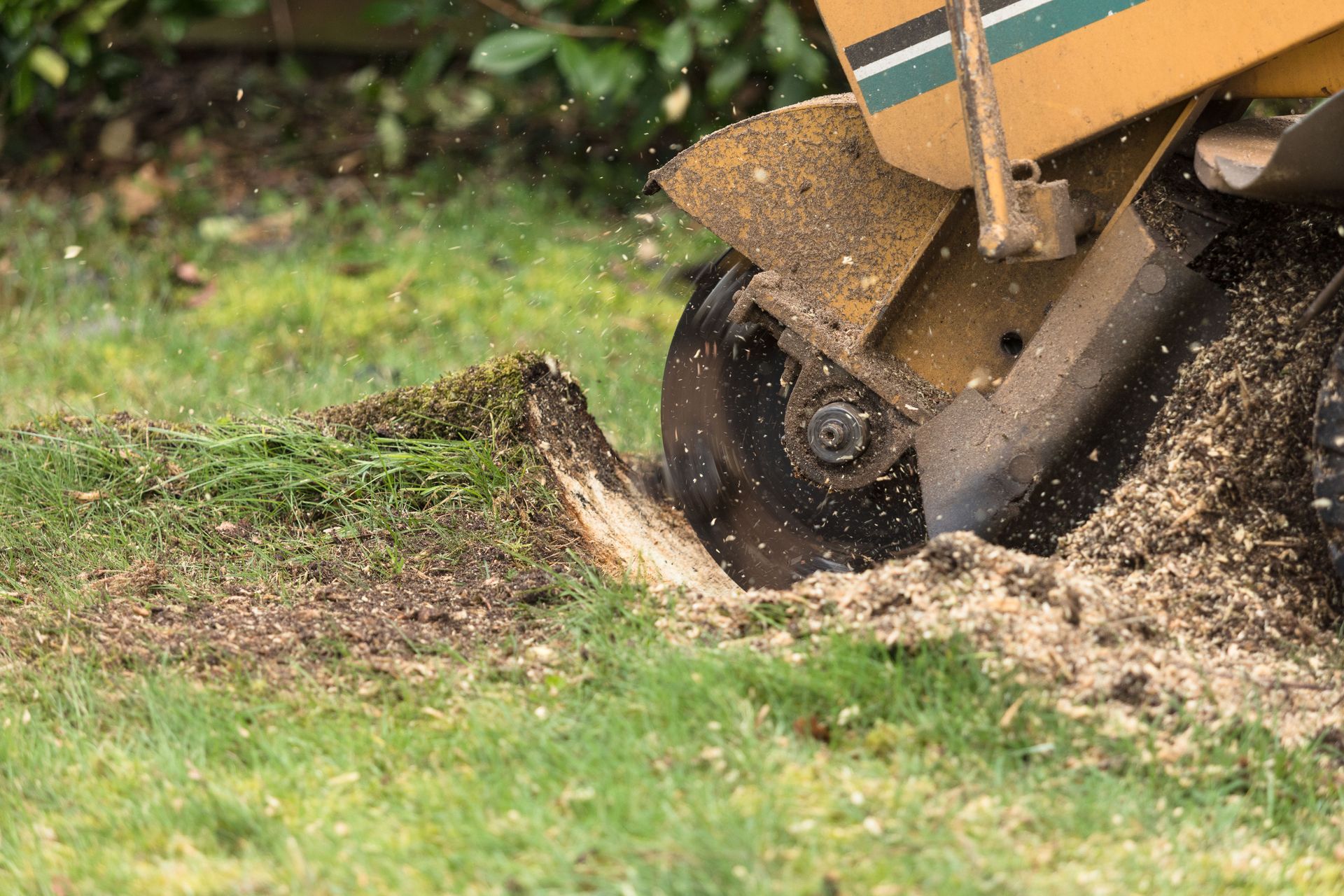
Stump grinding is a method used to remove tree stumps from the ground after a tree has been cut down. It involves the use of a specialized machine called a stump grinder, which grinds the stump down into small wood chips. Unlike other methods such as manual stump removal or chemical treatments, grinding ensures a quicker and environmentally friendly removal of stumps. The process is advantageous because it allows the roots to decay naturally over time, maintaining the soil's structure. Stump grinding is especially popular due to its capability to handle even large stumps efficiently.
The task of stump grinding may seem straightforward, but it requires a good understanding of the machinery and safety measures involved. The grinder's rotating blade cuts through the wood, reducing the stump's height to below ground level. According to This Old House, grinding a tree stump can take anywhere from 2–6 hours depending on the size of the stump. This variance is influenced not just by stump size, but also by the type of wood and the condition of the machinery. Comprehending these dynamics is crucial for anyone considering handling the task independently.
Stump grinding doesn't eliminate the roots but transforms the stump into mulch that can be spread around the yard or used as filler for a garden bed. It’s an efficient method as it doesn't disturb the surrounding landscape too severely. While grinding does not fully remove the roots, it provides a solution that allows the terrain to return to its natural state over time. This gradual decomposition of roots also reduces opportunities for pests that thrive on decaying wood. Hence, stump grinding is an ecologically preferred method for stump removal.
Why is it Necessary?
Stump grinding is necessary to enhance the visual appeal of your property and eliminate obstacles that can interfere with landscaping projects. Leftover stumps can become breeding grounds for nuisances like termites and fungi. If a stump is left to decay on its own, it could take several years to decompose entirely, creating a safe haven for pests that can spread to other parts of your garden or even into your home. Additionally, stumps can cause injury, particularly to children playing in the yard or to those mowing the lawn.
In some cases, tree stumps can interfere with construction plans or gardening designs. Their presence can even lower the overall value of a property. For homeowners looking to sell, curb appeal is a significant element of marketability, and unsightly stumps can detract from a property's first impression. Moreover, quick removal can free up space for new plantings or landscaping features, increasing the usable area of a garden.
Safety is another pivotal reason for stump removal. Stumps hidden in grass or brush can become tripping hazards that increase the risk of injury. For these reasons, removal is encouraged as a crucial step in ensuring a safe, aesthetically pleasing, and functional outdoor space. Additionally, many local codes and ordinances require the removal of tree stumps to comply with safety standards or new constructions, making it not just a personal preference but sometimes a legal requirement.
Tools Required for Stump Grinding
Stump grinding requires specific machinery and tools to be effectively completed. The primary tool is the stump grinder, which comes in various sizes and capabilities, from small, portable grinders for light use to large, heavy-duty grinders for professional applications. A basic hand-held grinder can work on small stumps and in confined areas, while larger machinery is necessary for more substantial tasks. Ensuring the grinder's blade is well-maintained and sharp is crucial for the effectiveness and safety of the operation.
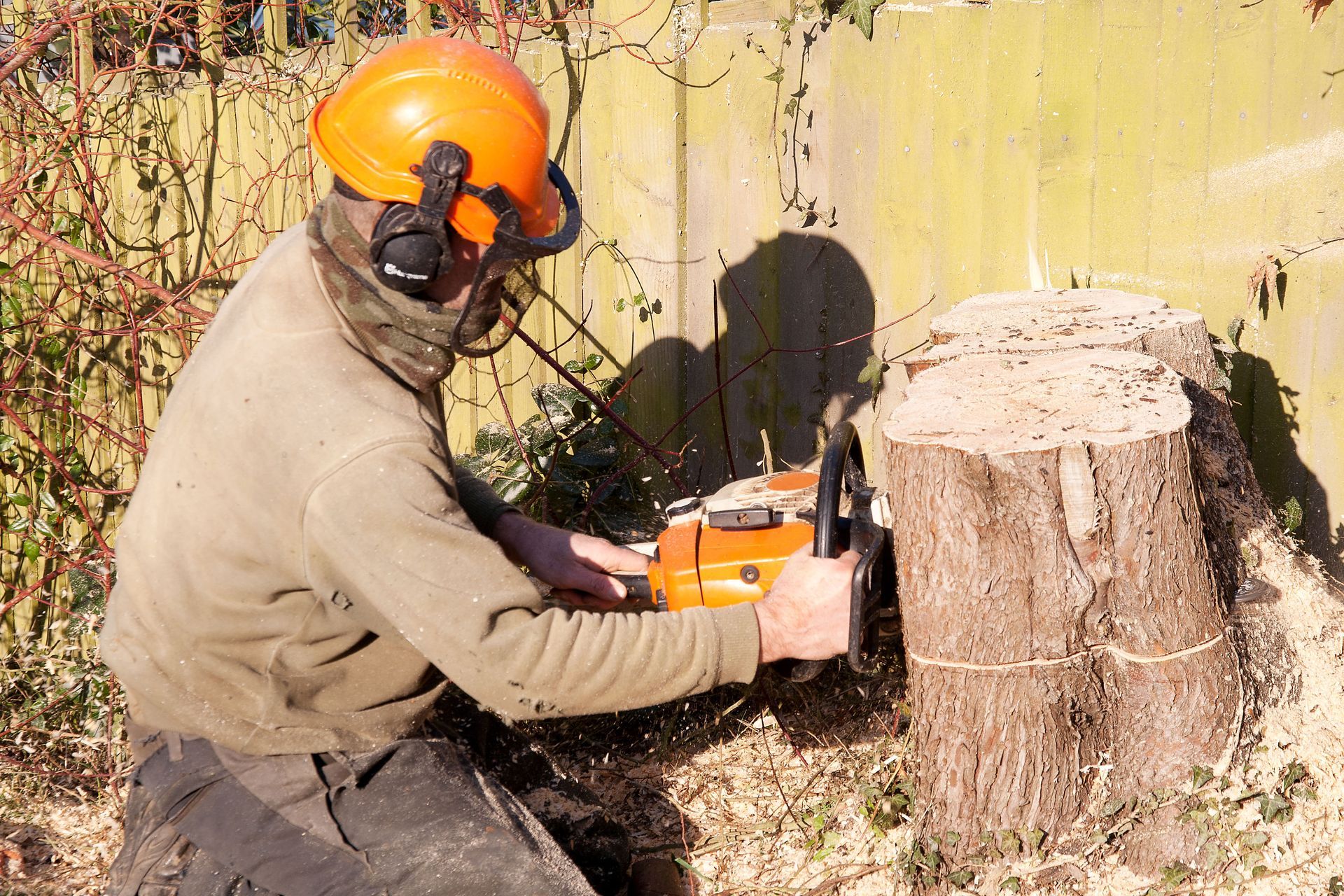
Protective gear is vital for anyone operating a stump grinder. Safety glasses, ear protection, and steel-toed boots should always be worn to prevent injuries from flying debris and to minimize the noise exposure. Thick gloves and durable clothing can also help protect the skin from sharp wood chips and intense vibrations during the grinding process. Additionally, a first aid kit should be on hand to address any minor injuries that could occur during the grinding.
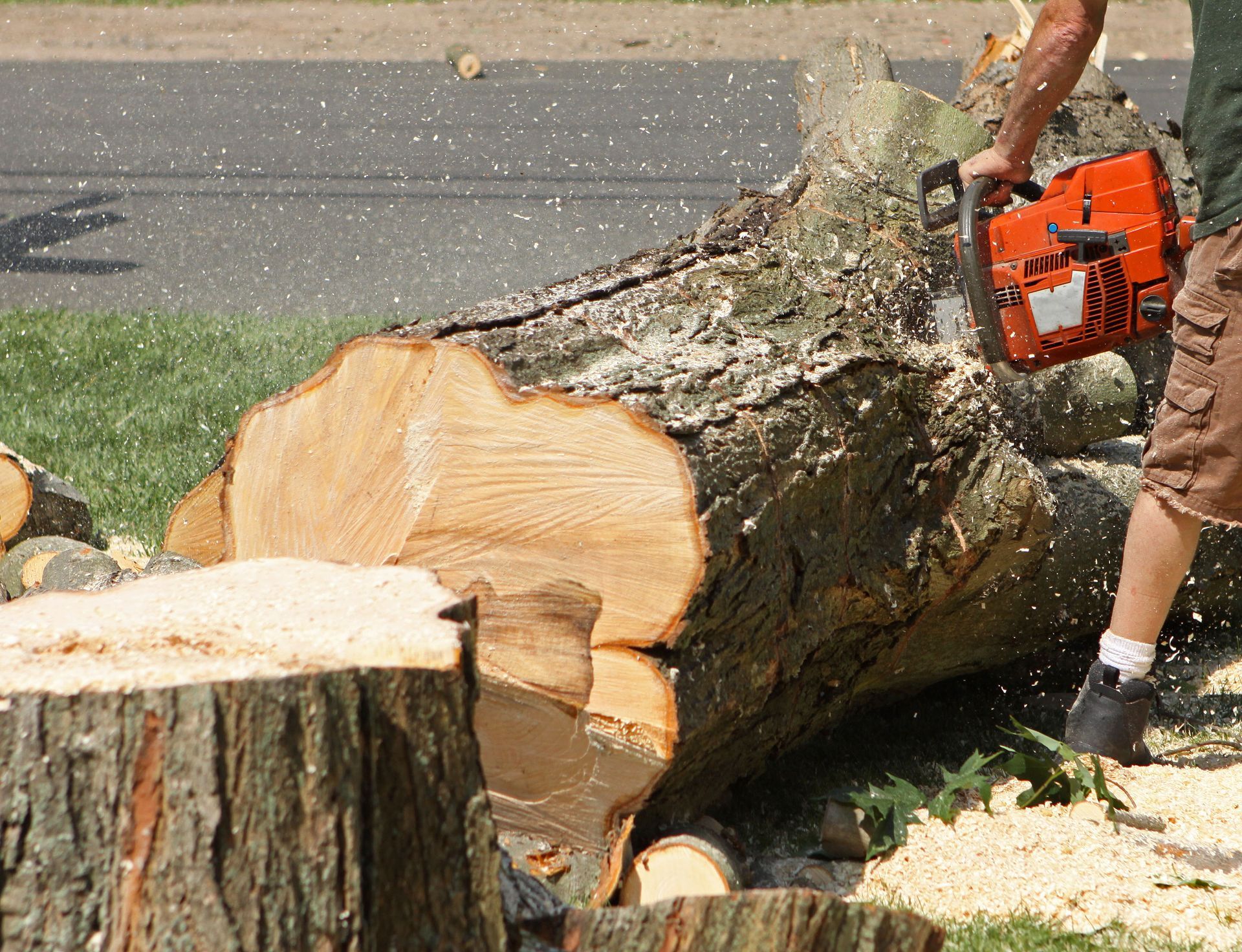
Complementary tools may include a shovel, rake, and chainsaw. Shovels and rakes help in removing debris and preparing the ground, while a chainsaw can be used to trim any protruding roots or large sections of the stump before grinding. It's also beneficial to have a wheelbarrow or container to collect wood chips for easy transportation. These accompanying tools streamline the process, making stump grinding more efficient and manageable.
Difference Between Stump Grinding and Removal
While stump grinding and stump removal both achieve the end goal of eliminating a tree stump, they employ different techniques. Stump grinding involves the use of a machine to grind down the tree stump to the soil level, leaving the roots beneath to decay naturally. On the other hand, stump removal involves extracting the entire stump and root ball from the ground, creating a hole that requires filling and leveling. Removal is more invasive compared to grinding and often requires heavy machinery capable of pulling out extensive root systems.
Grinding is usually preferred due to its lower cost and less disruptive impact on the surrounding landscape. Since it leaves the roots intact, the remaining underground biomass will eventually decompose, enriching the soil. However, for those looking to replant or construct in the same location, full removal might be necessary to ensure there are no roots left to interfere with new vegetation or structures. Each method has its advantages and drawbacks depending on the specific needs and conditions of the area.
Another consideration when choosing between the two methods is the time and labor involved. Stump removal is significantly labor-intensive, often requiring the use of large equipment, making it less efficient for larger projects. In contrast, stump grinding can be quicker and less laborious, making it suitable for multiple stumps or when a quick turnaround is required. For small-scale projects or areas where machinery access is limited, grinding offers a more practical and feasible solution.
Safety Precautions to Consider
Safety is paramount when engaging in stump grinding as the machinery involved poses significant risks. Prior to starting, it's essential to check the area for underground utilities and ensure accessibility around the work site. Operating the grinder requires full attention and awareness of surroundings to avoid accidents. It's also crucial to make sure that no people or animals come into the grinding proximity, as flying wood chips can cause injury.
Protective gear is a necessity. Wearing safety goggles, gloves, and appropriate footwear is recommended to minimize the impact of debris and reduce the risk of slips and falls. Ear protection is also advised given that grinders produce high noise levels that can damage hearing over prolonged exposure. While working, regular breaks are important to avoid fatigue, increasing focus and maintaining an alert state. Be sure to reach out to Traditional Tree Service today to learn more about our professional stump grinding!
Share On: