How Pros Remove Trees Without Damaging Your Yard
Removing a tree from a property requires more than cutting through the trunk and hauling away the pieces. Professionals must consider nearby structures, landscaping, utility lines, soil conditions, and the direction in which each section of the tree can safely fall. A carefully planned tree removal service can reduce the possibility of damage while keeping the surrounding yard as protected as possible. Experienced crews begin by examining the tree and identifying potential hazards before any equipment is used. They also determine how the tree can be dismantled in controlled sections when there is not enough open space for a traditional drop. This approach helps limit unnecessary disruption to lawns, gardens, driveways, fences, and other features around the work area. Proper preparation also allows the crew to select equipment and techniques suited to the property's specific conditions. For homeowners, understanding this process explains why professional tree removal involves much more planning than simply cutting down a tree.
Evaluating the Tree and Surrounding Property
The first step in a professional removal project is a detailed evaluation of the tree and the space around it. Crews examine the trunk, branches, root area, overall height, and visible signs of decay or structural weakness. They also identify nearby buildings, fences, vehicles, landscaping features, sidewalks, and other obstacles that could be affected during removal. A tree removal service may use this assessment to determine whether the tree can be brought down in one piece or must be dismantled gradually. Utility lines receive particular attention because branches or equipment can create serious hazards when working close to electrical infrastructure. The condition of the ground also matters because wet, soft, or uneven soil can affect equipment placement and worker safety. Professionals use these observations to establish a controlled work area before cutting begins. Careful evaluation gives the crew a clear understanding of the challenges involved and helps reduce avoidable property damage.
Planning Controlled Cutting Techniques
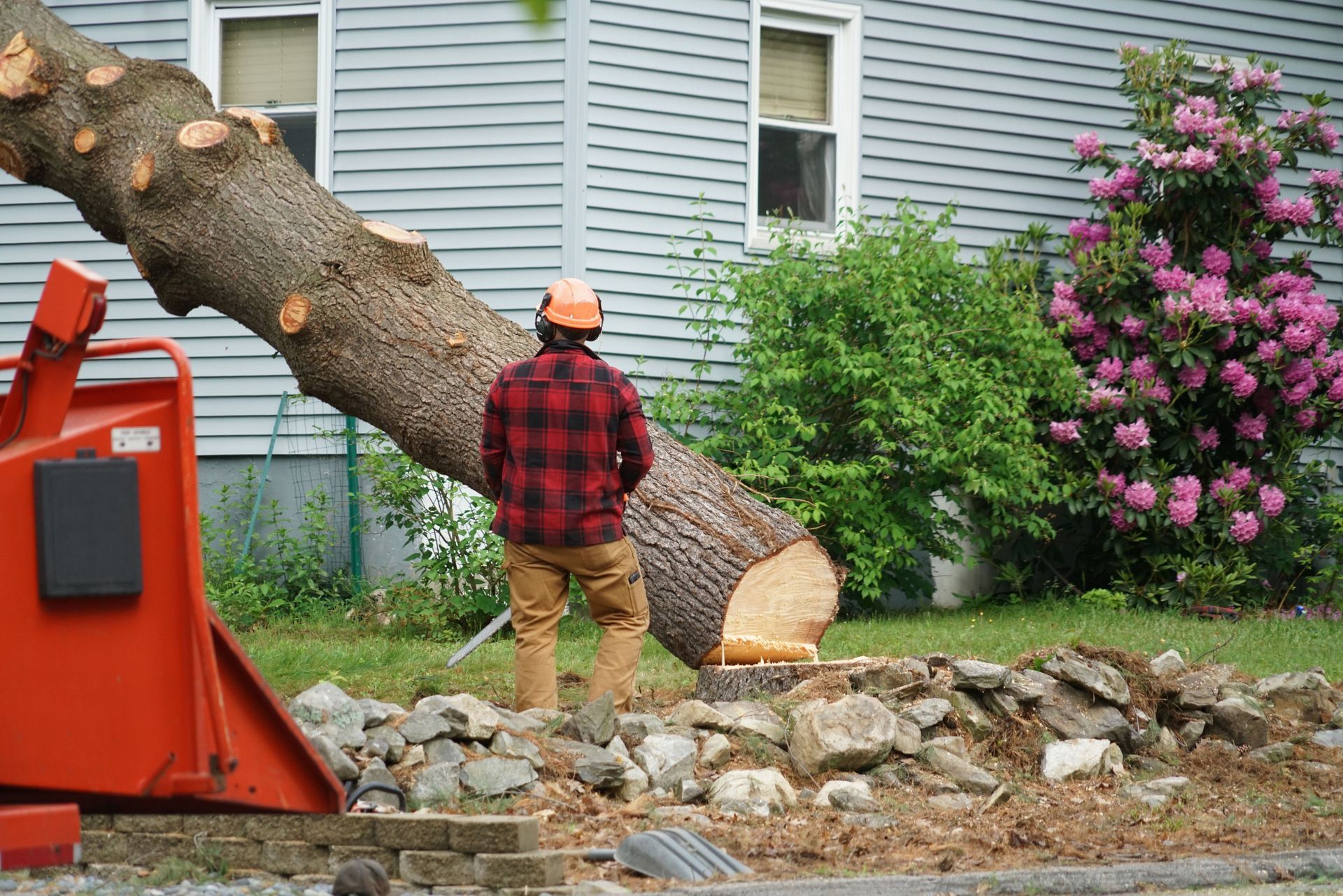
Once the site has been evaluated, professionals develop a removal strategy based on the tree's size, condition, and location. Large trees positioned near structures often cannot be safely dropped as a single piece. Instead, crews may remove branches and sections of the trunk individually to maintain greater control over where material lands. According to Archivemarketresearch.com, the commercial tree removal services market was valued at about $15 billion in 2025 and is projected to grow at a 6% CAGR from 2025 through 2033. This projected growth reflects the continued demand for specialized services as property owners address trees in residential, commercial, and other developed environments. Experienced professionals carefully determine the order in which branches and trunk sections should be removed. Ropes, rigging systems, and specialized equipment can help guide pieces away from vulnerable areas when conditions require additional control. By planning every cut before work begins, crews can reduce unnecessary impact on the surrounding property.
Protecting Lawns and Landscaping
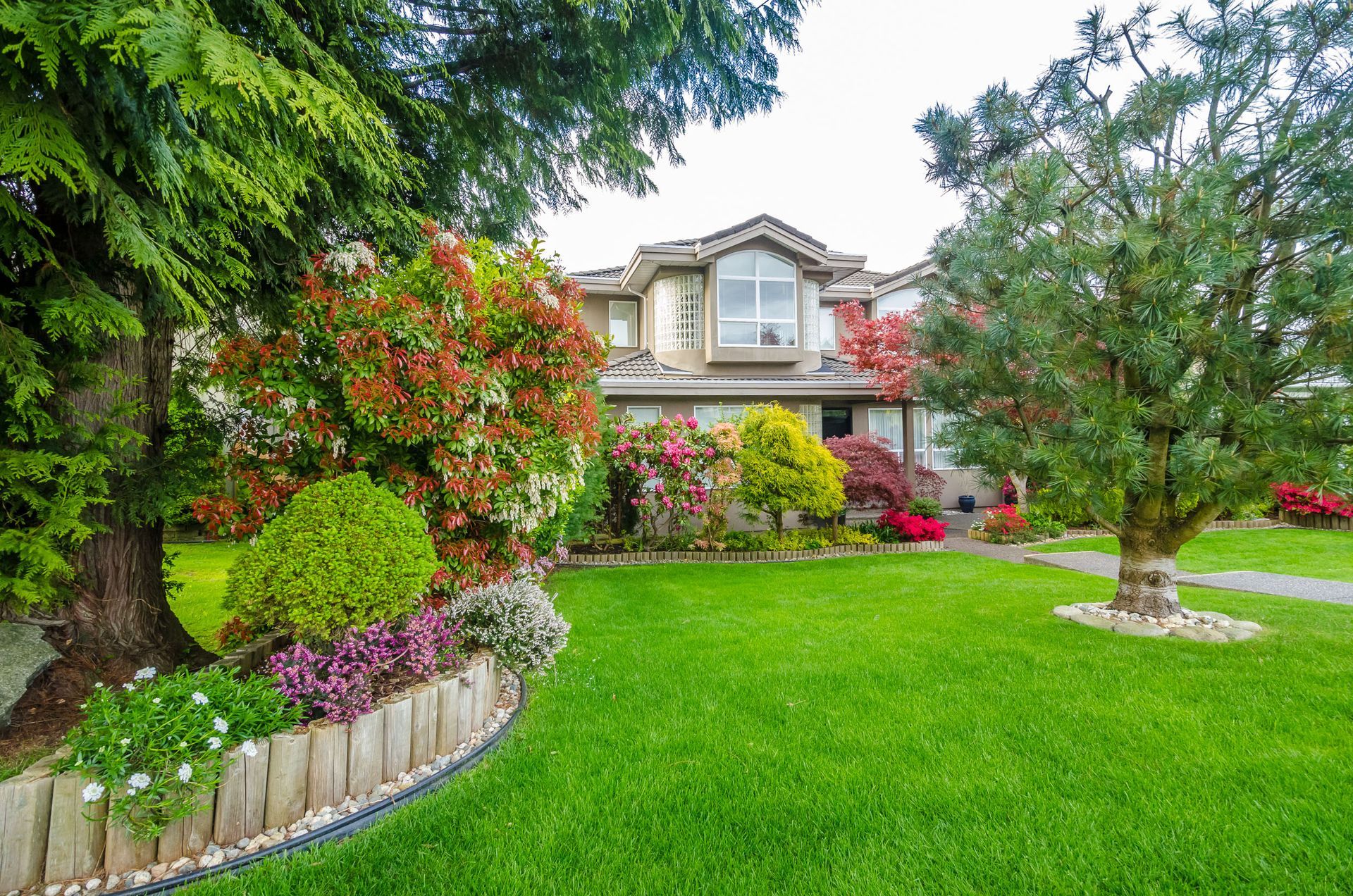
Protecting the yard is an important part of responsible tree removal, particularly when the work takes place near established landscaping. Heavy equipment can create ruts or compact soil if it is positioned carelessly on a lawn. Professionals consider access routes before bringing machinery onto the property and may use protective materials where appropriate to reduce surface damage. A tree removal service can also identify plants, flower beds, irrigation components, and decorative features that need to be protected before cutting begins. Branches are lowered or directed toward designated areas rather than allowed to fall unpredictably across the yard. Smaller pieces may be cut into manageable sections so they can be moved without dragging large limbs through landscaped areas. Crews can also establish specific drop zones to keep debris concentrated and make cleanup more efficient. These precautions help preserve the appearance and condition of the property while allowing the removal work to proceed safely.
Managing Branches and Trunk Sections
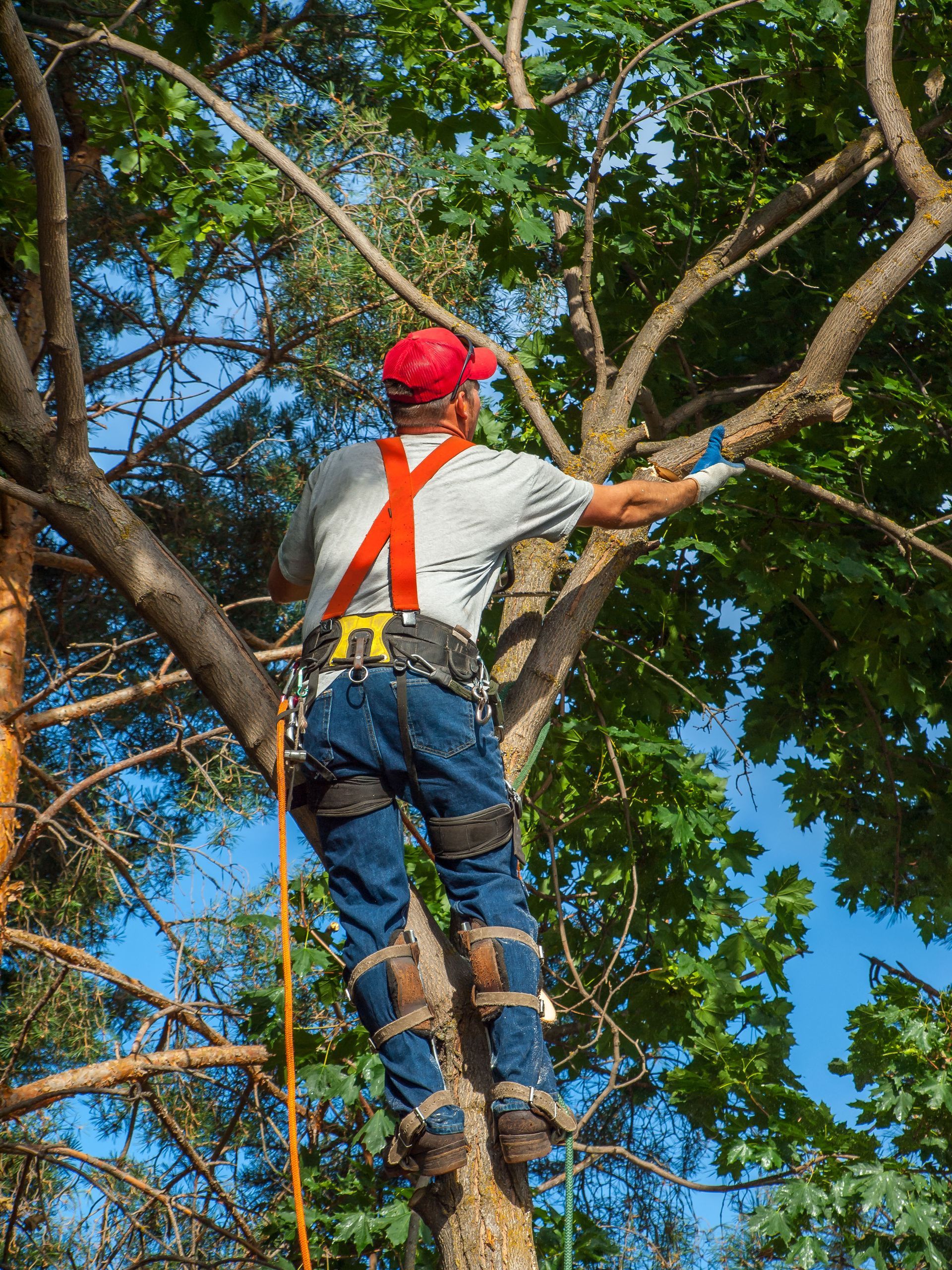
Breaking a tree into manageable sections gives professionals greater control over the removal process. Instead of allowing heavy branches to fall freely, crews can cut selected sections and lower them using ropes or other rigging methods when appropriate. This technique is especially useful when the tree stands close to a home, garage, fence, pool, or other valuable feature. A tree removal service may begin with smaller branches before gradually working toward larger limbs and sections of the trunk. The sequence helps reduce the weight and size of the remaining tree as the project progresses. Professionals must constantly monitor how the structure changes because removing one branch can affect the balance of the remaining sections. Experienced crews adjust their approach as necessary rather than relying on a single method throughout the entire project. Controlled dismantling allows difficult trees to be removed while limiting the area exposed to falling debris.
Using Equipment With Precision
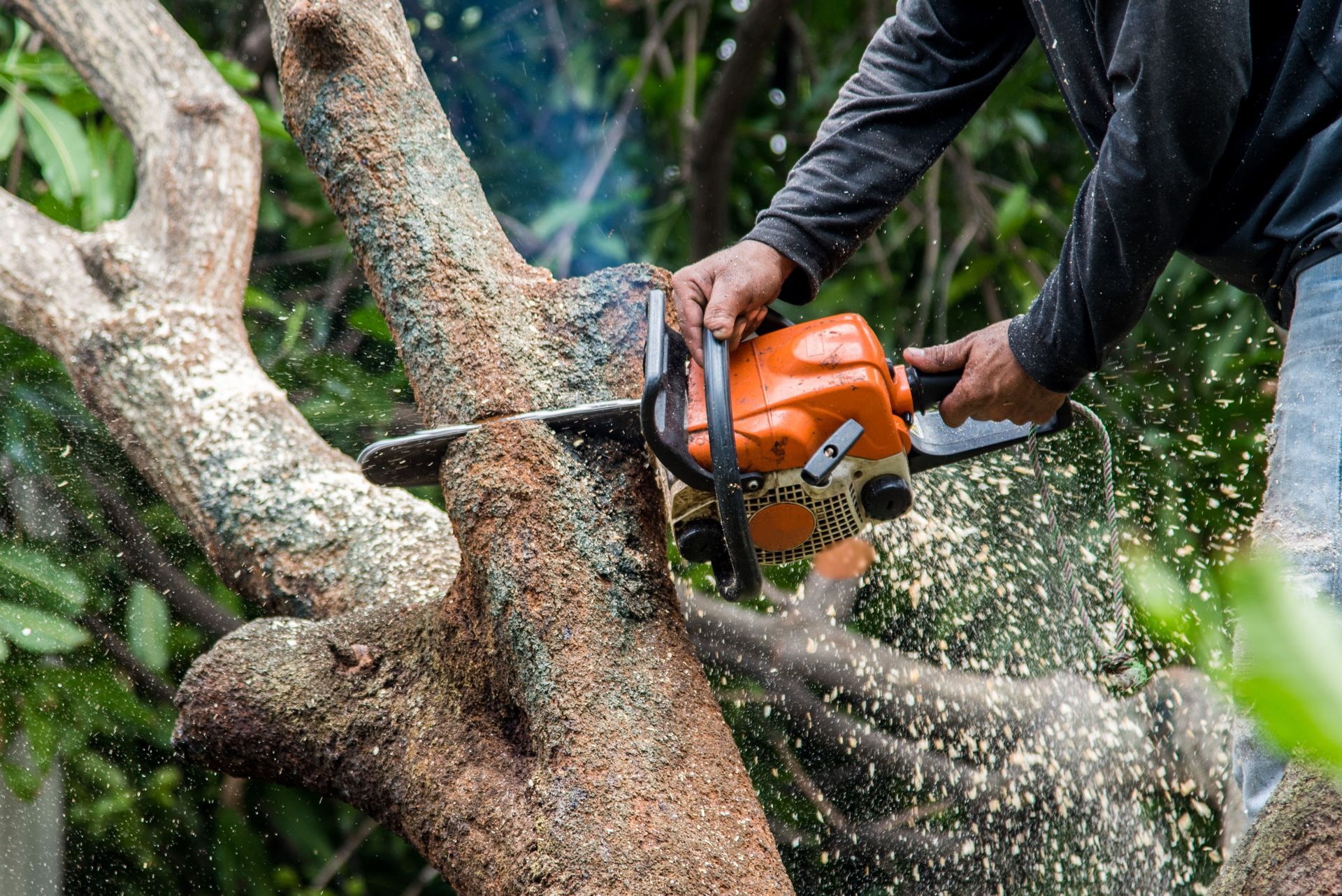
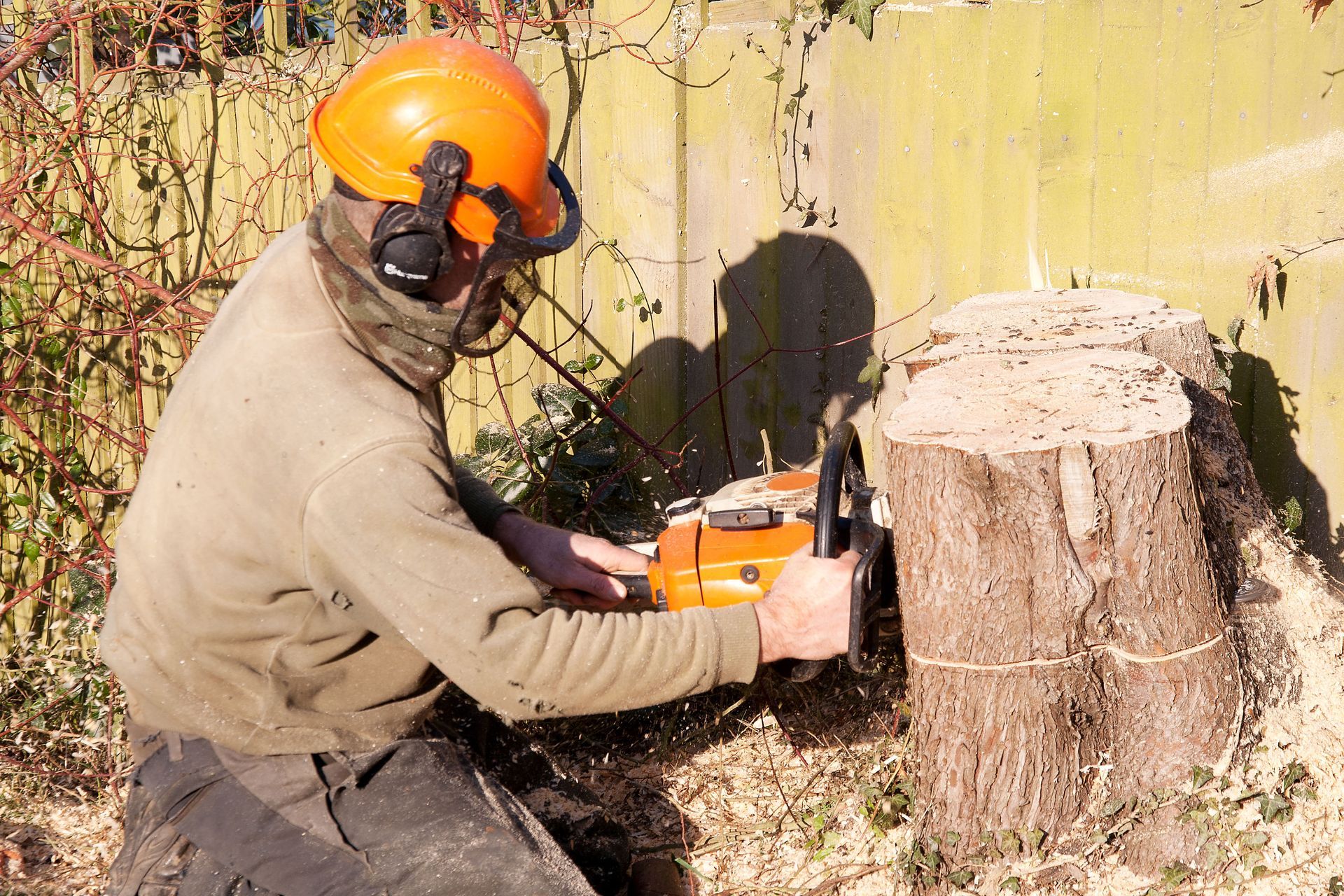
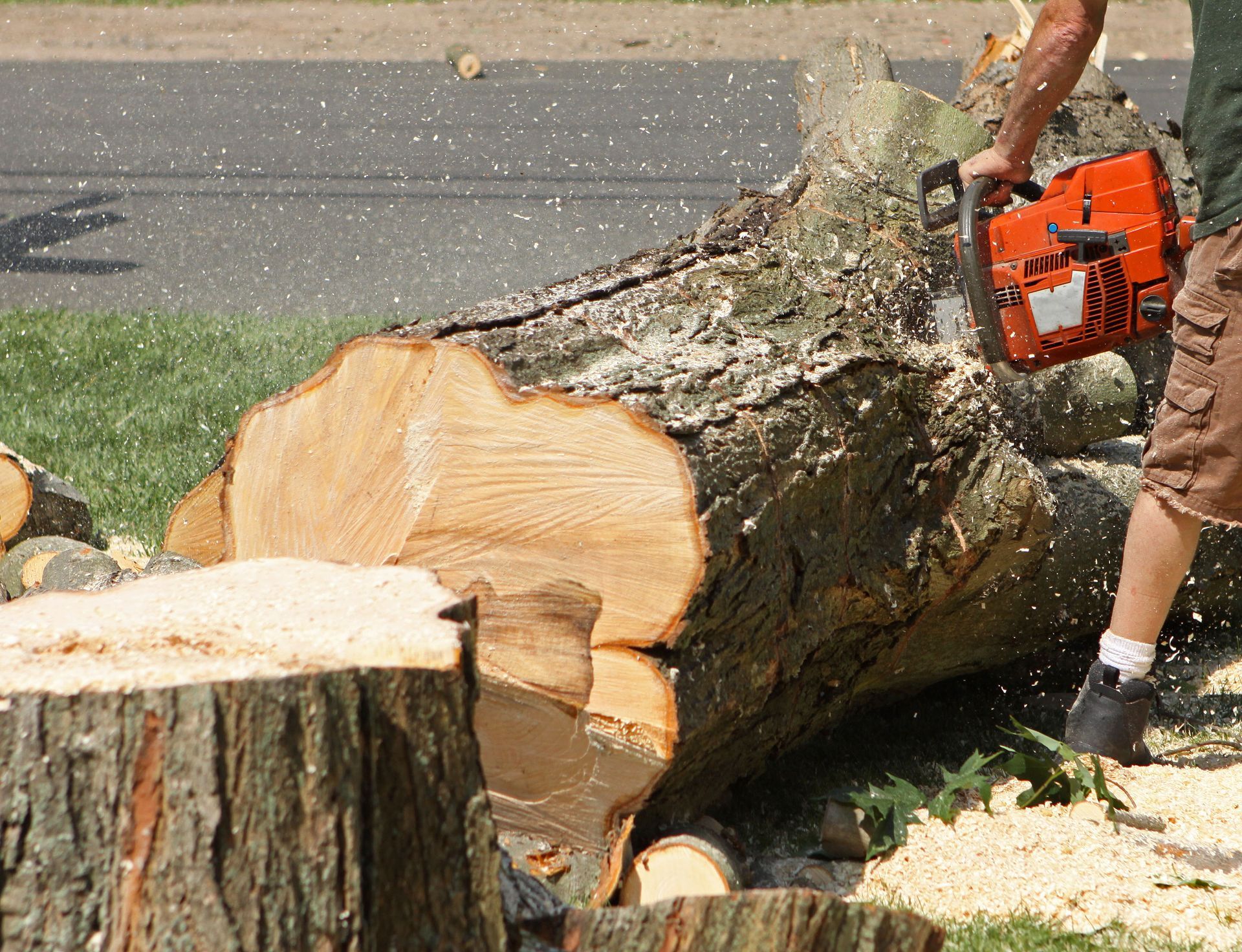
Professional equipment can make tree removal more controlled, but simply having machinery does not guarantee safe results. Crews need to understand how each tool behaves and how equipment placement affects the surrounding work area. Depending on the project, professionals may use chainsaws, ropes, rigging equipment, lifts, chippers, or other specialized tools. A tree removal service selects equipment according to factors such as tree size, access limitations, branch structure, and nearby obstacles. Machinery must also be positioned on stable ground so it can operate without creating additional hazards. Workers coordinate their movements and communicate throughout the project to keep cutting, lowering, and cleanup activities organized. Proper equipment use can reduce unnecessary strain on the crew while improving control over heavy or awkward pieces of wood. Precision is particularly important when working in compact yards where there is little room for error.
Maintaining a Controlled Work Area
A clearly managed work zone helps prevent people, pets, vehicles, and property features from entering areas where falling material may create hazards. Professionals establish boundaries around the tree and determine where equipment, debris, and workers should be positioned. The work area may need to change as different sections of the tree are removed. A tree removal service can adjust these boundaries as necessary to account for changing conditions during the project. Crew members also communicate about cutting sequences, equipment movement, and the location of falling or lowered material. Keeping unnecessary people away from the active work zone allows the crew to concentrate on the removal process. Organized staging also reduces the chance that equipment or debris will interfere with other parts of the property. Maintaining control from the beginning of the project through cleanup supports both safety and property protection.
Completing Cleanup Without Excessive Yard Impact
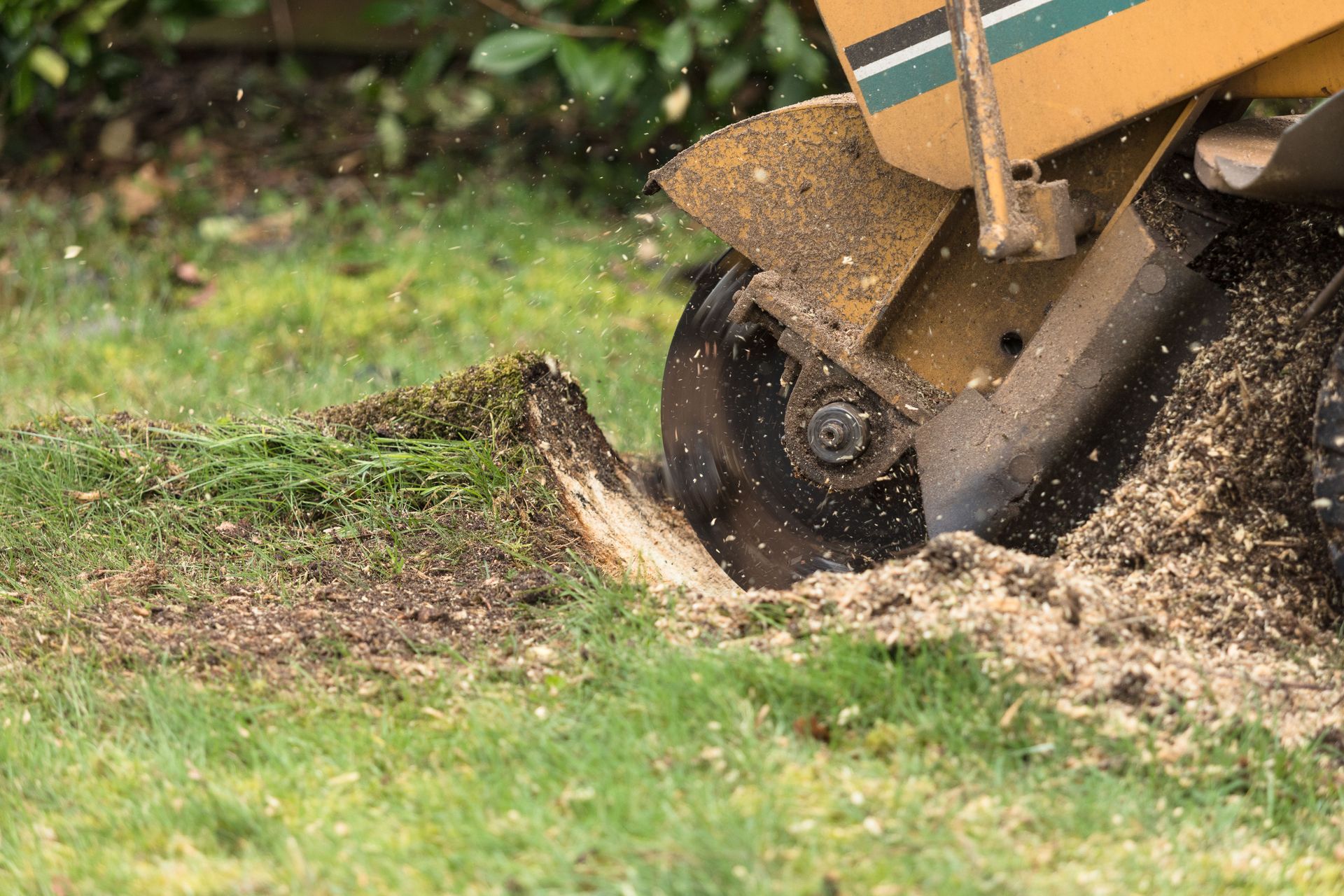
The removal process does not end when the final section of the tree reaches the ground. Branches, logs, leaves, and sawdust must be collected and removed so the property can be returned to usable condition. Professionals organize debris into manageable loads rather than spreading material throughout the yard. A tree removal service can use equipment such as chippers to process suitable branches into smaller material that is easier to handle and transport. Larger sections of trunk may be cut into pieces before being moved away from the work area. Crews also inspect the surrounding property for loose branches and debris that may have been overlooked during the main removal. Careful cleanup helps prevent remaining materials from becoming obstacles or damaging landscaping after the project is finished. A final inspection gives the crew an opportunity to confirm that the work area has been cleared and that the property has been left in orderly condition.
Choosing Professionals for Complex Removals
Tree removal can become complicated when a tree is large, unstable, diseased, or positioned close to structures and other obstacles. Professionals bring planning, equipment, cutting techniques, and site-management practices together to address these challenges systematically. A tree removal service can evaluate the property before determining which removal method is appropriate for the specific situation. Homeowners should consider whether a company has experience handling trees in spaces similar to their property. Clear communication about access, surrounding features, cleanup expectations, and project conditions can also help establish a practical plan. Professional crews understand that protecting the property is part of the removal process rather than an afterthought. Traditional Tree Service is ready to help property owners address challenging tree removal needs with careful planning, controlled techniques, and thorough cleanup. Contact us today!
Share On: