4 Safety Concerns Caused by Storm-Damaged Trees
The increasing frequency and intensity of storms have become a pressing issue globally. As these powerful weather events rise, the toll they take on the environment intensifies, with trees among the most visibly impacted. Storm-damaged trees are not only a threat to the ecosystem but also pose multiple safety concerns for communities. Downed trees and broken branches can disrupt everyday life, causing property damage, road blockages, and even personal injuries. For property owners, local tree removal often becomes an important part of restoring safety after a severe weather event. Understanding these risks is crucial for developing proactive strategies to mitigate the effects of nature’s violent outbursts and support community safety.
1. Risk of Falling Branches and Trees
1.1 Causes of Structural Weakness in Trees
Structural weakness in trees often results from various factors compounded by severe weather. Diseases and pests damage the integrity of a tree, making it more susceptible to breaking during storms. Additionally, poor soil conditions and bad pruning practices can undermine the root system and branch stability, respectively. Storms exacerbate these conditions, leading to an increased likelihood of breakage. Understanding these causes is essential in developing preventative measures to reinforce trees against storm impacts.
1.2 Identifying Signs of Potential Collapse
Recognizing signs of potential tree collapse can avert danger before it becomes imminent. Some clear indicators include large cracks in the trunk, significant lean or tilt, and branches that appear overly heavy or uneven. Furthermore, mushrooms or fungal growth at the base of a tree often signal decay, a precursor to structural failure. Regular inspections, especially after storms, can help identify these signs early. When damage is severe, local tree removal may be the safest option before the tree falls unexpectedly.
1.3 Areas at Most Risk of Falling Branches
Urban areas often face the greatest risk from falling branches due to the proximity of trees to infrastructure and populated spaces. Parks, roadsides, and residential neighborhoods with older trees are particularly vulnerable, especially if maintenance is inadequate. Trees lining roads and sidewalks pose a threat to pedestrians and vehicles. Likewise, those near power lines and buildings can cause significant damage if they fall. Analyzing risk-prone areas allows local authorities to allocate resources effectively to mitigate potential hazards.
1.4 Preventative Measures and Solutions
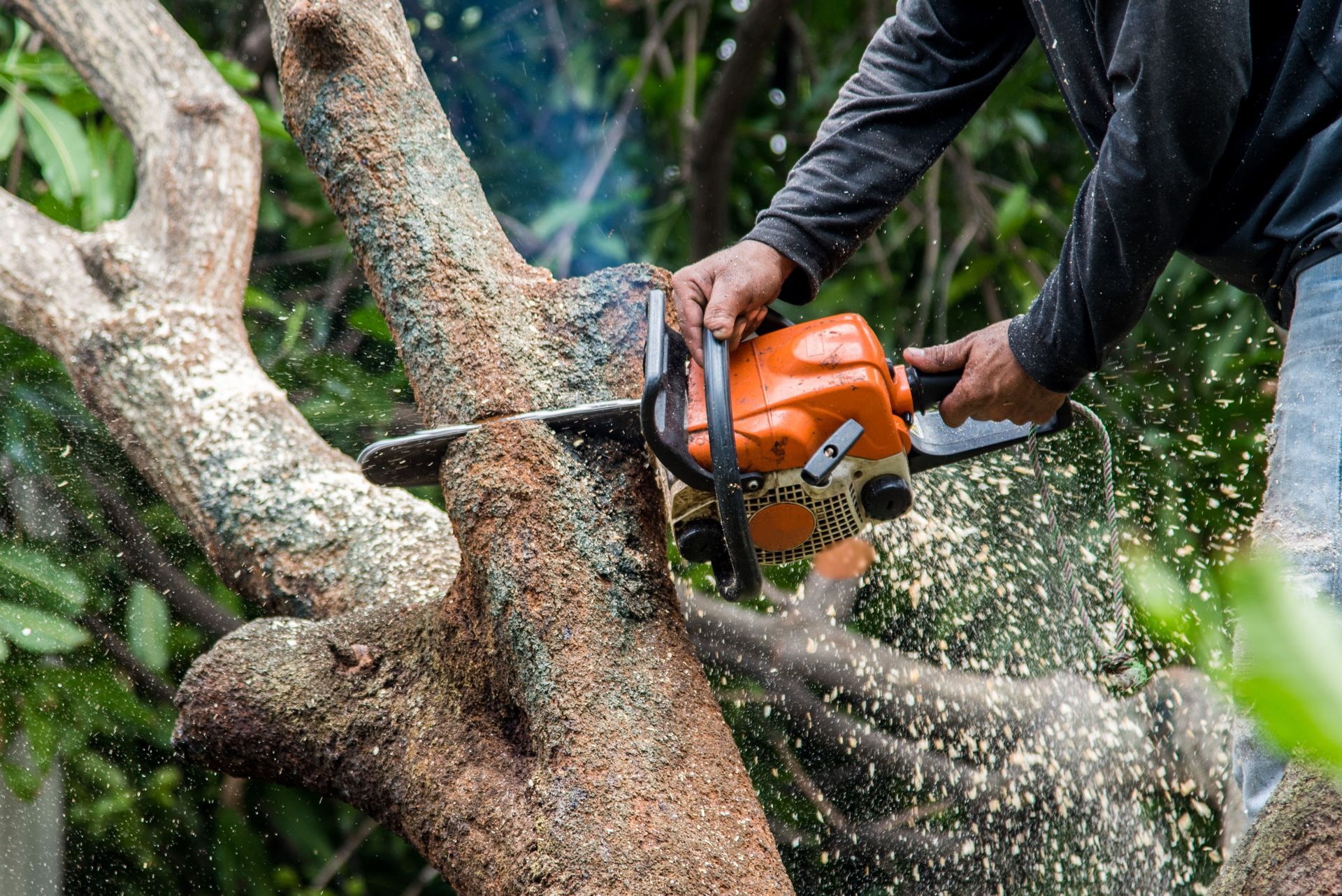
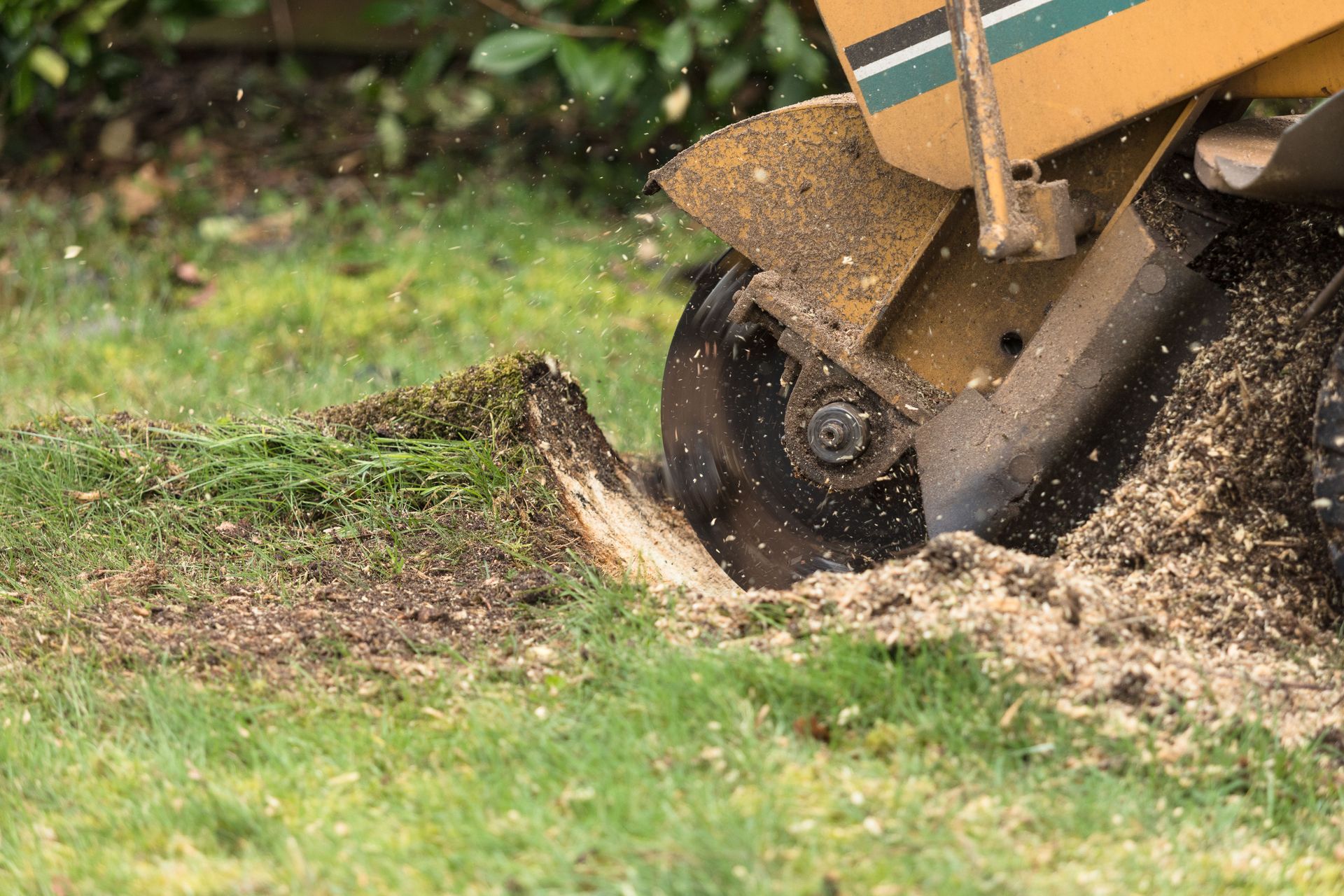
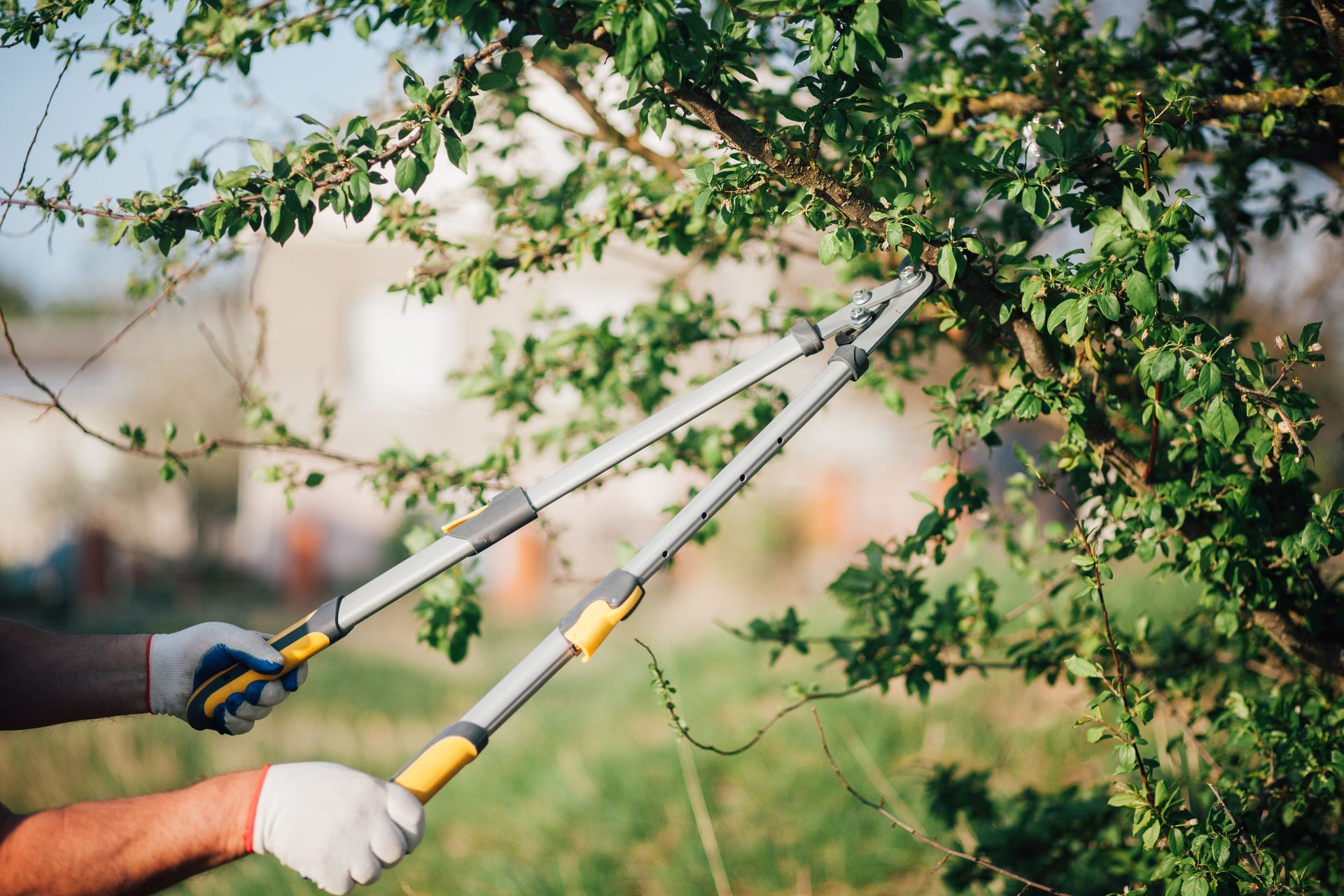
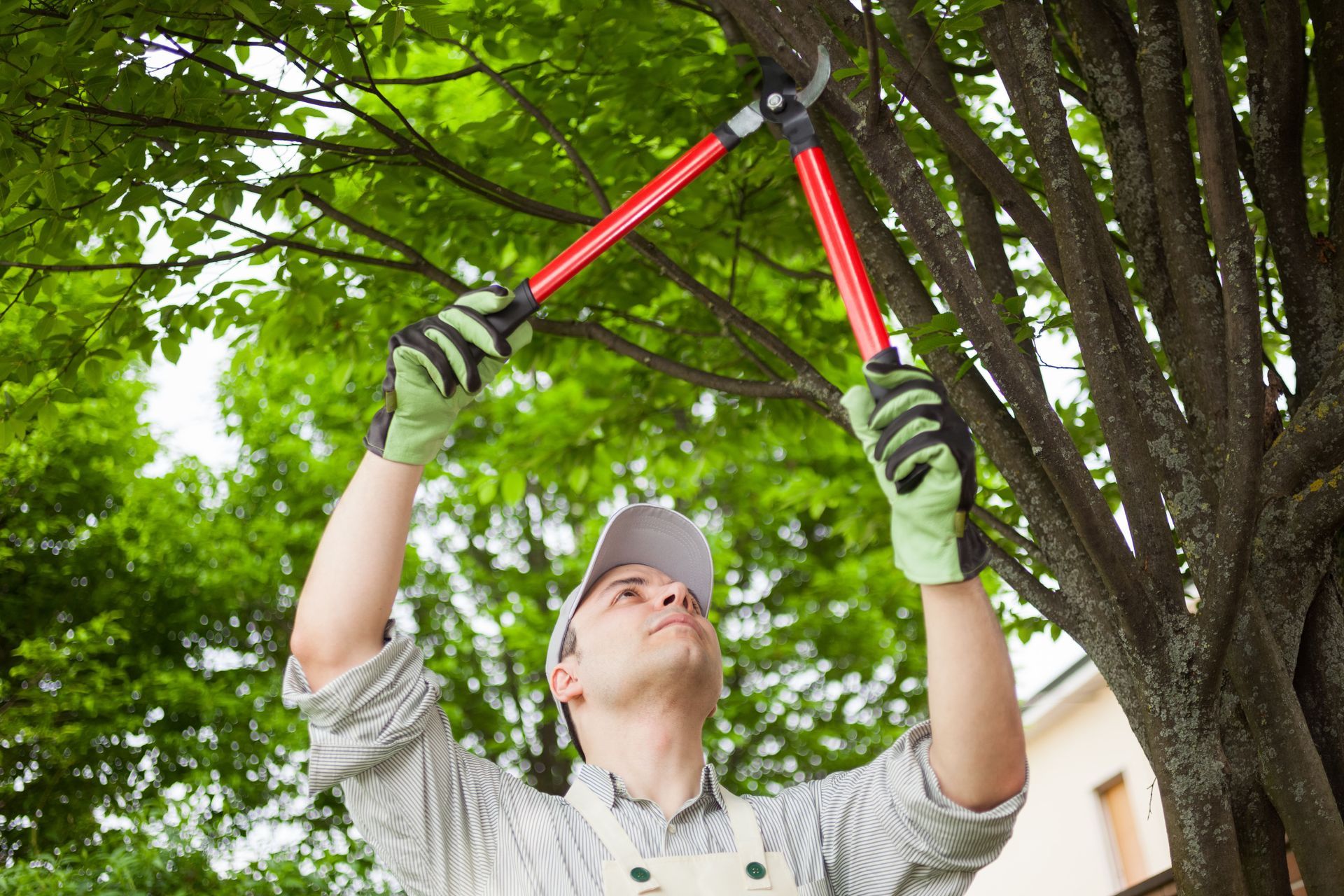
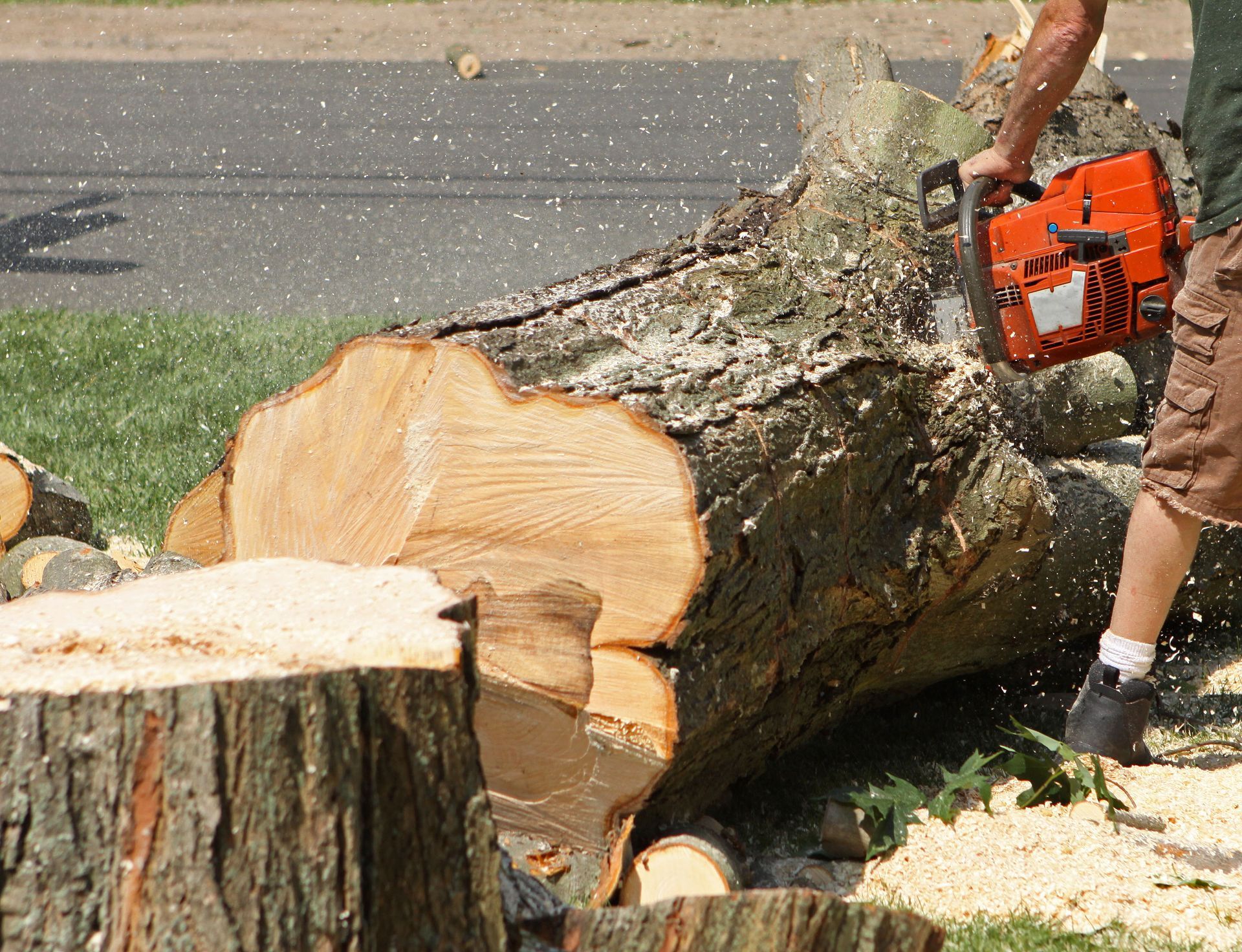
Preventative measures hinge on regular maintenance and proactive management of at-risk trees. Routine inspections by certified arborists can diagnose and mitigate minor concerns before they escalate. Strategic pruning enhances structural integrity, reducing the weight of branches and minimizing breakage risk. Timely removal of severely damaged trees, although labor-intensive, is often necessary to prevent future incidents. According to Lawn Love, removing a small tree usually requires one to two hours, while taking down a large tree often takes three to four hours. In many cases, local tree removal can significantly reduce the likelihood of tree-related accidents.
2. Impact on Power Lines and Infrastructure
2.1 Understanding the Vulnerability of Power Lines
Power lines, often located close to trees, are highly vulnerable to damage during storms. High winds and heavy rain can cause branches and entire trees to collide with overhead lines, resulting in outages and unsafe conditions. The design and placement of power lines in conjunction with their surrounding environment significantly influence their exposure to risk. Older infrastructure may also lack the resilience to withstand severe weather events. When trees are already leaning toward utility areas, local tree removal near utility corridors can help reduce future storm-related hazards.
2.2 Consequences of Power Line Damage
Power line damage during storms does not only cause electricity outages but also instigates safety hazards. Downed lines can spark fires or electrocute anyone in proximity. The cascading effects of power outages disrupt public services and economic activities, impacting businesses and households alike. Communities may face challenges in accessing critical services, such as healthcare, during an outage. Addressing power line vulnerability is thus paramount in minimizing both direct and indirect disaster impacts.
2.3 Strategies to Protect Infrastructure
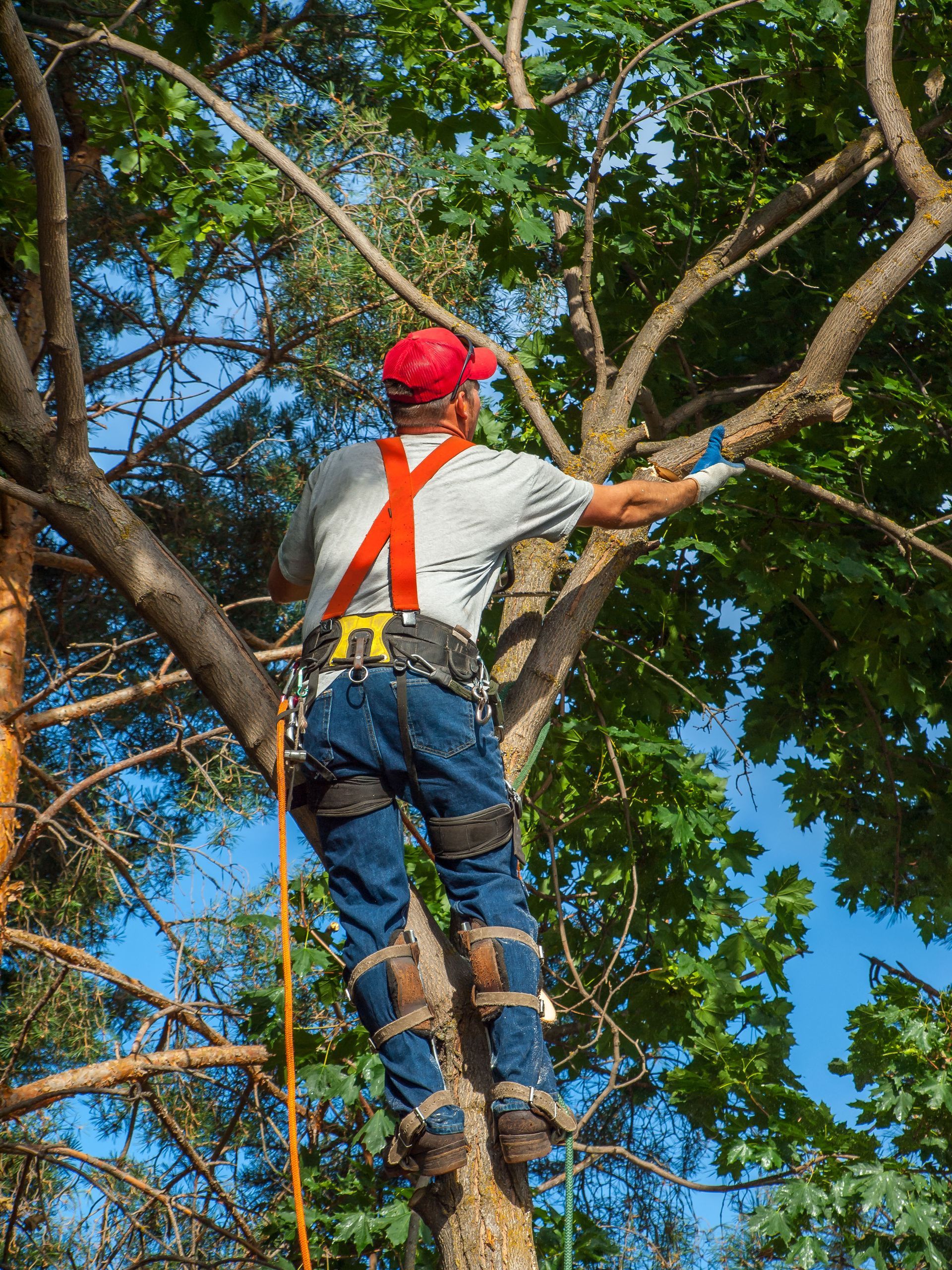
Proactive strategies to protect infrastructure focus on both tree management and power line resilience. Initiatives such as installing underground power lines, though costly, offer long-term protection from storm damage. Regularly trimming trees near power lines lessens the likelihood of interference during storms. Municipalities can also design urban plans that account for the safety of power lines, restricting tree planting near them. When pruning is not enough, local tree removal should be handled by qualified professionals who understand the risks around electrical equipment.
2.4 Recovery and Repair Operations Post-Collapse
Recovery after storm-induced infrastructure collapse necessitates swift and efficient operations. Coordination between utility companies, local governments, and emergency services is crucial to restoring services quickly. Prioritizing the repair of critical infrastructure helps essential services like hospitals and schools resume functioning. Additionally, community education regarding safety around downed power lines can prevent accidents during recovery. Efficient management of post-storm recovery operations can significantly reduce recovery time and associated costs.
3. Threats to Buildings and Vehicles
3.1 Types of Damage Caused to Buildings
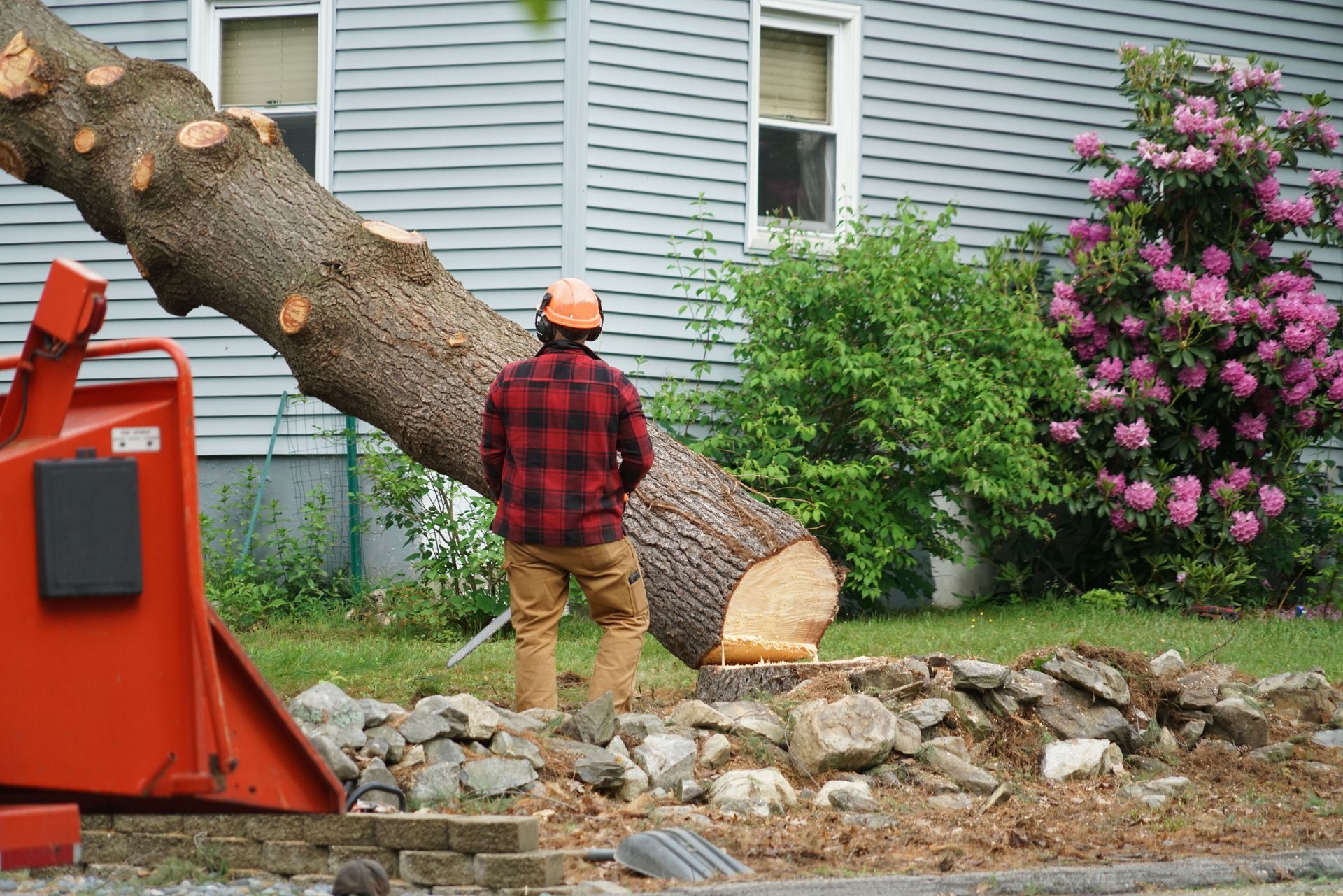
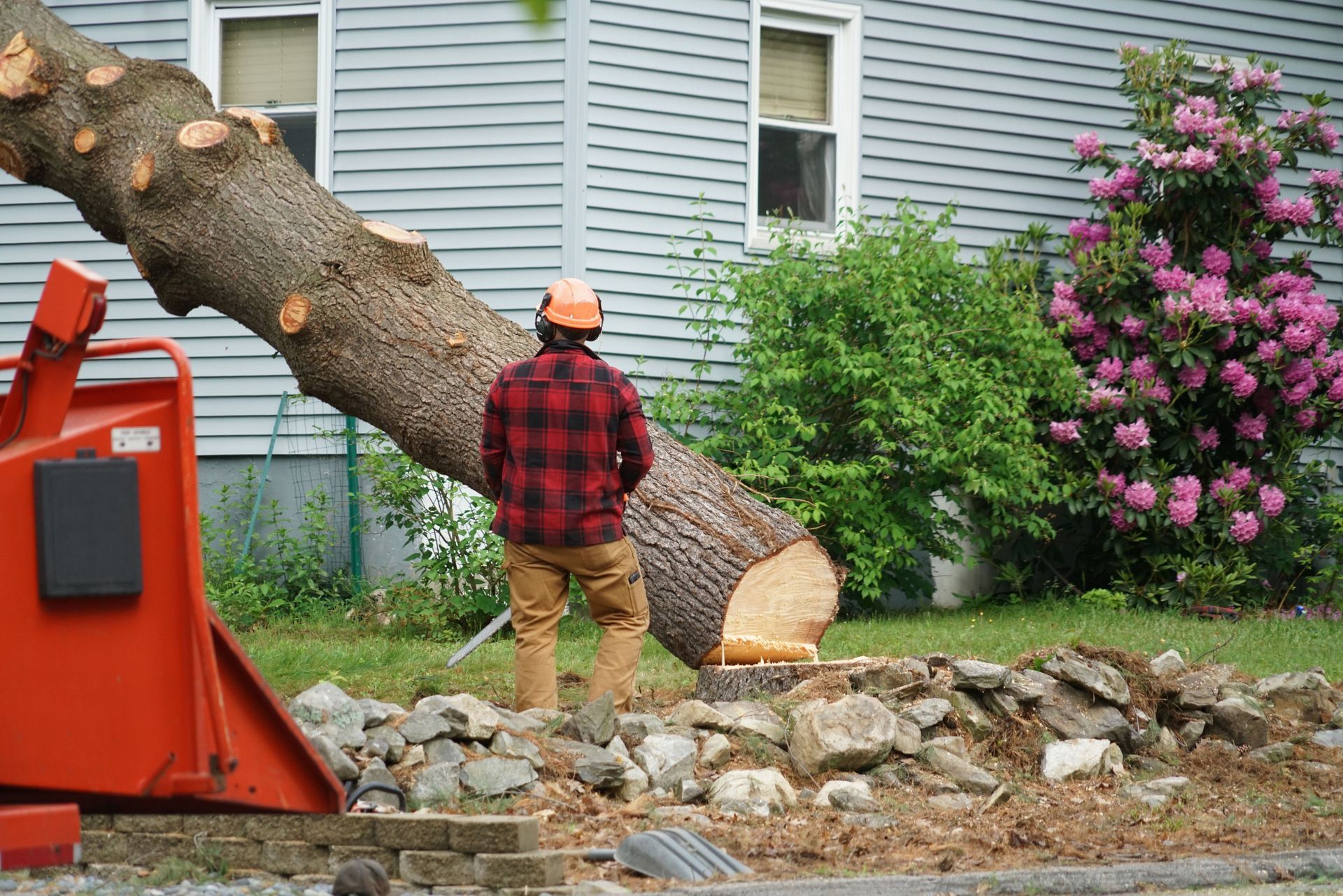
Storm-damaged trees often lead to considerable building destruction. Falling trees can penetrate roofs, shatter windows, or even collapse walls, especially in older, less resilient structures. Given the unpredictability of storm impacts, any structure within proximity to trees is at risk. Prevention entails rigorous assessment and reinforcement measures for at-risk buildings. For properties with unstable trees close to the roofline, local tree removal can reduce the chance of major structural damage during future storms.
3.2 Risks Associated with Parked and Moving Vehicles
Vehicles face significant damage risks during storms, primarily from falling branches and trees. Parked vehicles, especially in under-treed areas, are susceptible to damage from sudden tree collapses. Meanwhile, moving vehicles may experience unwarranted risks when navigating roads strewn with felled branches or entire trees. Drivers must exercise extreme caution, heeding warnings and avoiding imperiled roads. Understanding these risks promotes vigilance and preventative action amongst vehicular owners.
3.3 Assessing Vulnerability of Properties
Property vulnerability assessments help identify at-risk structures and vehicles. Factors such as age, location, and proximity to aged or weakened trees contribute to vulnerability levels. Comprehensive assessments involve evaluating potential impact forces and reinforcing structures accordingly. Drones and other modern technologies aid in accurately mapping vulnerable points and informing mitigation strategies. Knowledge of potential vulnerabilities prompts preemptive actions, securing personal properties.
4. Implications for Public Safety and Transport
4.1 Hazards on Roads and Pathways
Storm-damaged trees block roads and pathways, significantly impeding transportation and presenting a hazard to commuters. Fallen trees can block routes, leading to severe traffic disruptions and potential accidents. Such blockages can delay emergency vehicle responses, impacting public safety services. Public avenues serve as essential lifelines, reinforcing the need for rapid storm aftermath clearance programs. In neighborhoods with repeated storm damage, local tree removal helps restore access and reduce future obstructions on roads and pathways.
4.2 Emergency Response and Public Safety Measures
Effective emergency response involves speedy identification and clearance of obstructed public spaces. Communities must coordinate adequately resourced crews capable of quick debris removal. Preemptive design and execution of safety measures can reduce storm disruption impacts. Strategies include rerouting traffic, activating emergency communication platforms, and equipping citizens with real-time alerts. During major cleanup efforts, local tree removal crews often work alongside municipal services to help reopen streets and protect residents from unstable trees.
The safety concerns posed by storm-damaged trees require a multifaceted approach to protect community well-being and environmental stability. Proactive measures and community engagement are essential in addressing these challenges effectively. Coordinated efforts between governments, organizations, and individuals can lead to practical solutions that minimize risks. Strengthened infrastructure, informed urban planning, and continuous public safety education are all vital components of a comprehensive response. As storms grow more frequent and intense, preparedness will determine a community’s capacity to safeguard people and property, and local tree removal is often one important part of that larger safety plan. Reach out to Traditional Tree Service today to learn more.
Share On: