How Tree Services Save You Money in the Future
Trees can add shade, beauty, privacy, and character to a property, but they also require ongoing care to remain safe and healthy. When maintenance is delayed, small issues such as weak branches, disease, root problems, or storm damage can turn into much more expensive concerns. Homeowners may end up paying for structural repairs, emergency cleanup, removal, or replacement when problems are allowed to develop. Professional tree services can help reduce those risks by identifying concerns early and maintaining trees before they create costly damage. Investing in routine care can also extend the life of mature trees, improve property safety, and help homeowners avoid unnecessary expenses. Understanding how professional tree care protects both trees and surrounding structures can make it easier to see why regular maintenance is often less expensive than waiting for a serious problem to appear.
Preventing Costly Property Damage
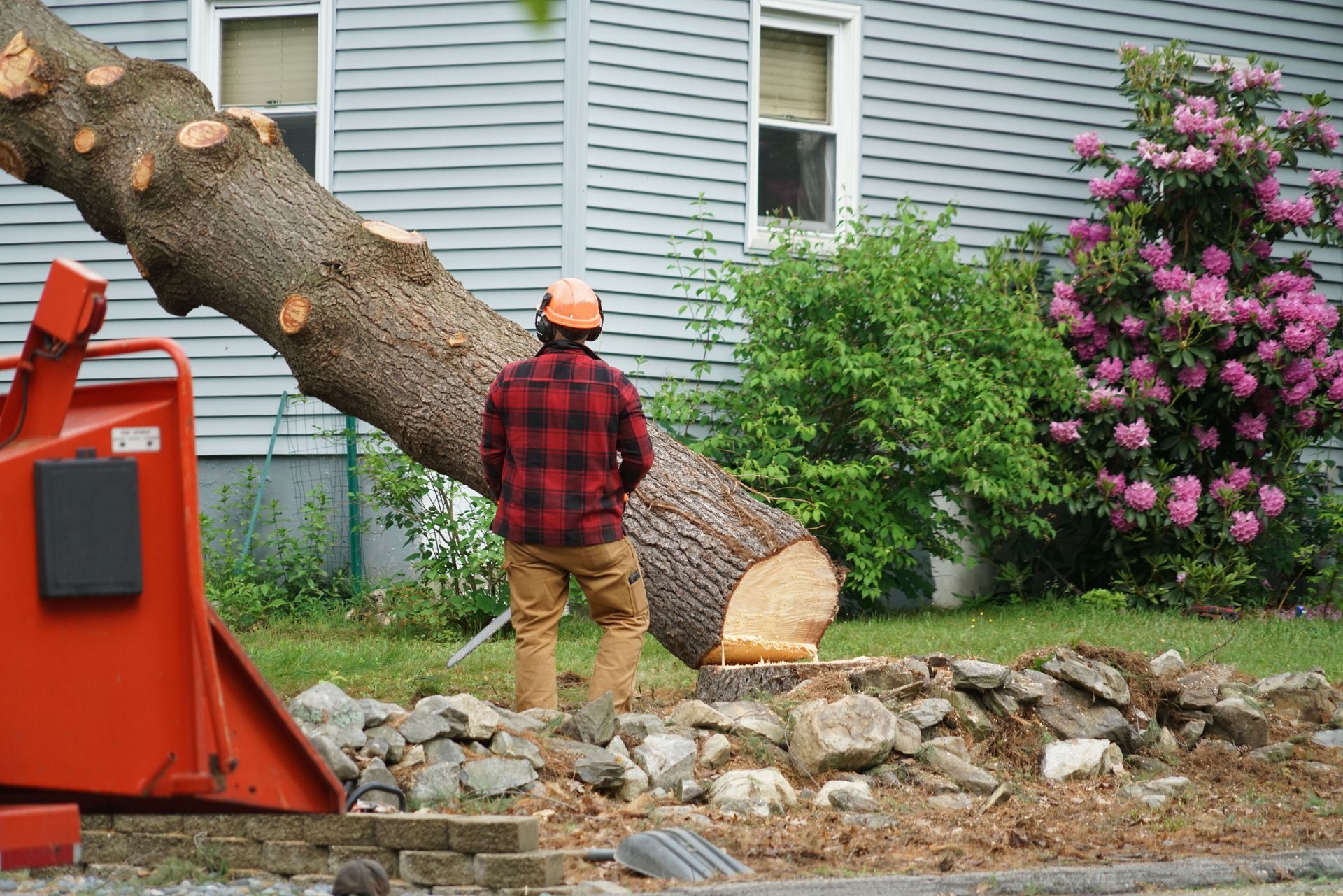
One of the biggest financial benefits of professional tree care is reducing the risk of damage to homes, vehicles, fences, sheds, utility lines, and other structures. Dead, cracked, or weakened branches may fall during wind, rain, snow, or even calm weather if decay has progressed far enough. Trees that are leaning, hollow, or structurally unstable may also create hazards that are difficult for homeowners to recognize from the ground. Regular inspections can help identify these risks before they result in an emergency.
According to West Bend, fallen trees and branches result in approximately $1 billion in property damage each year. That figure highlights how expensive neglected tree problems can become. Professional tree services can remove hazardous limbs, assess questionable trees, and recommend corrective work before damage occurs. Spending money on trimming or removal at the appropriate time may help homeowners avoid much larger repair bills after a branch lands on a roof, vehicle, or other valuable part of the property.
Reducing Emergency Removal Costs
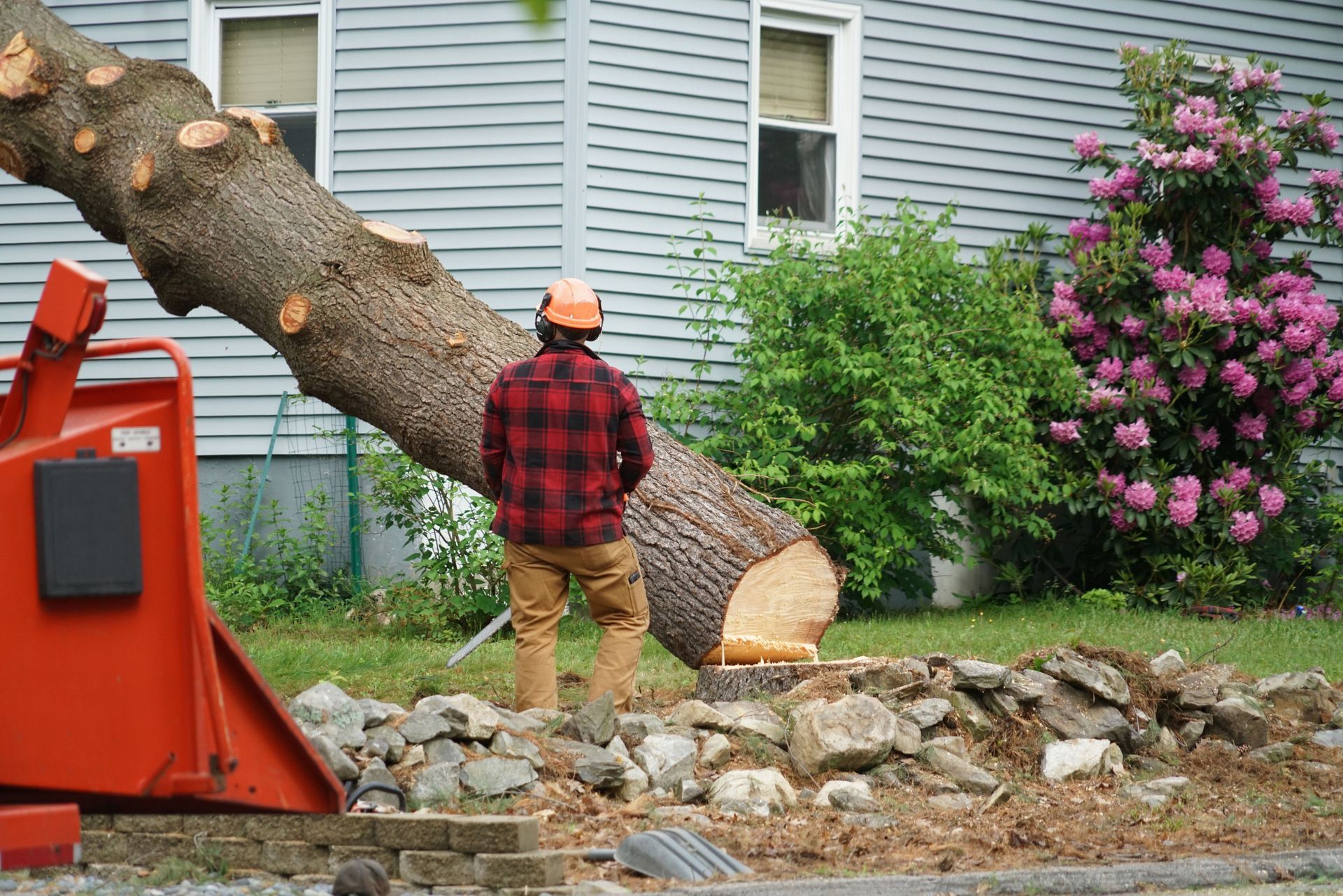
Emergency tree work is often more expensive than planned maintenance because it may require immediate scheduling, additional crews, specialized equipment, or work under difficult conditions. A tree that falls across a driveway, blocks access to a home, or damages a structure may need to be handled quickly. Storm-related demand can also make emergency services more complicated to coordinate. Routine maintenance gives homeowners an opportunity to address weak or declining trees before they fail unexpectedly.
Scheduling tree services in advance allows professionals to evaluate trees under safer and more controlled conditions. They can remove deadwood, reduce excess weight, correct certain structural problems, or recommend removal when a tree is unlikely to remain stable. Planned work is generally easier to budget for than an unexpected emergency. It can also reduce the secondary costs that come with sudden damage, such as temporary repairs, vehicle relocation, cleanup, or disruptions to normal household routines.
Extending the Life of Healthy Trees
Mature trees can take decades to grow, making them valuable features that are difficult and expensive to replace. Poor pruning, untreated disease, root damage, or competition between branches can gradually weaken an otherwise healthy tree. Proper maintenance can help support stronger structure, improve airflow, remove damaged growth, and reduce stress. Preserving an established tree may be much more cost-effective than removing it and planting a replacement that will take years to provide the same shade or visual impact.
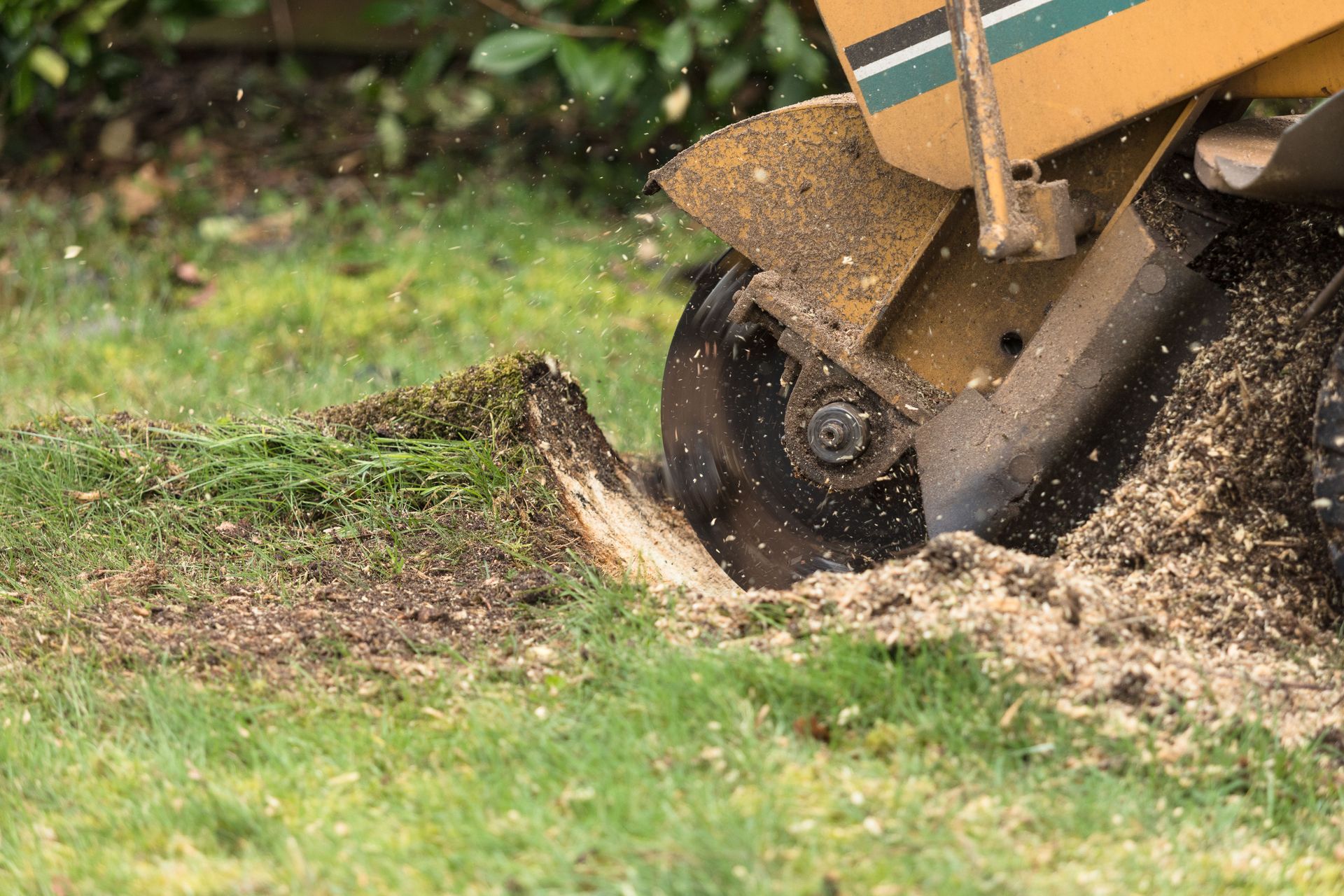
Professional tree services can also help homeowners recognize when a tree needs corrective care rather than removal. A trained professional may identify specific limbs that should be pruned, areas of decay that need monitoring, or environmental conditions affecting growth. Early intervention can give a tree a better chance of remaining healthy for years. This can protect the homeowner's previous investment in landscaping while reducing future costs associated with removal, stump grinding, replacement planting, and ongoing establishment care for a new tree.
Limiting the Spread of Disease
Tree diseases can sometimes begin with subtle symptoms, including unusual leaf color, thinning canopies, bark changes, dead branches, or fungal growth. When these signs are overlooked, disease can continue to weaken the tree and may spread to nearby plants. The longer a problem develops, the more difficult and expensive it may become to manage. In some cases, a severely affected tree may eventually need to be removed entirely.
Routine tree services can help identify possible disease concerns while there is still time to respond. Professionals can evaluate visible symptoms and recommend appropriate steps, such as removing infected branches, improving pruning practices, or monitoring the tree for further decline. Addressing problems early may help protect other trees on the property as well. Preventing the loss of multiple mature trees can save homeowners considerable money compared with paying for several removals and then replacing large portions of the landscape.
Protecting Roofs and Exterior Surfaces
Branches that grow too close to a house can create maintenance problems even if they never fall. Limbs may scrape roofing materials, siding, gutters, windows, or trim during windy conditions. Overhanging branches can also drop leaves, twigs, seeds, and other debris onto the roof and into gutters. Accumulated organic material may interfere with drainage and contribute to moisture-related maintenance concerns. Keeping appropriate clearance around structures can help reduce these risks.
Professional tree services can selectively trim branches that are crowding a roofline or growing toward exterior surfaces. Proper pruning can create safer separation without unnecessarily removing healthy growth. This type of preventative work may reduce wear on roofing materials and decrease the amount of debris homeowners need to remove from gutters. Avoiding repeated scraping, clogged drainage systems, or storm-related contact can help homeowners spend less on exterior repairs and maintenance over the long term.
Preventing Damage to Other Landscaping
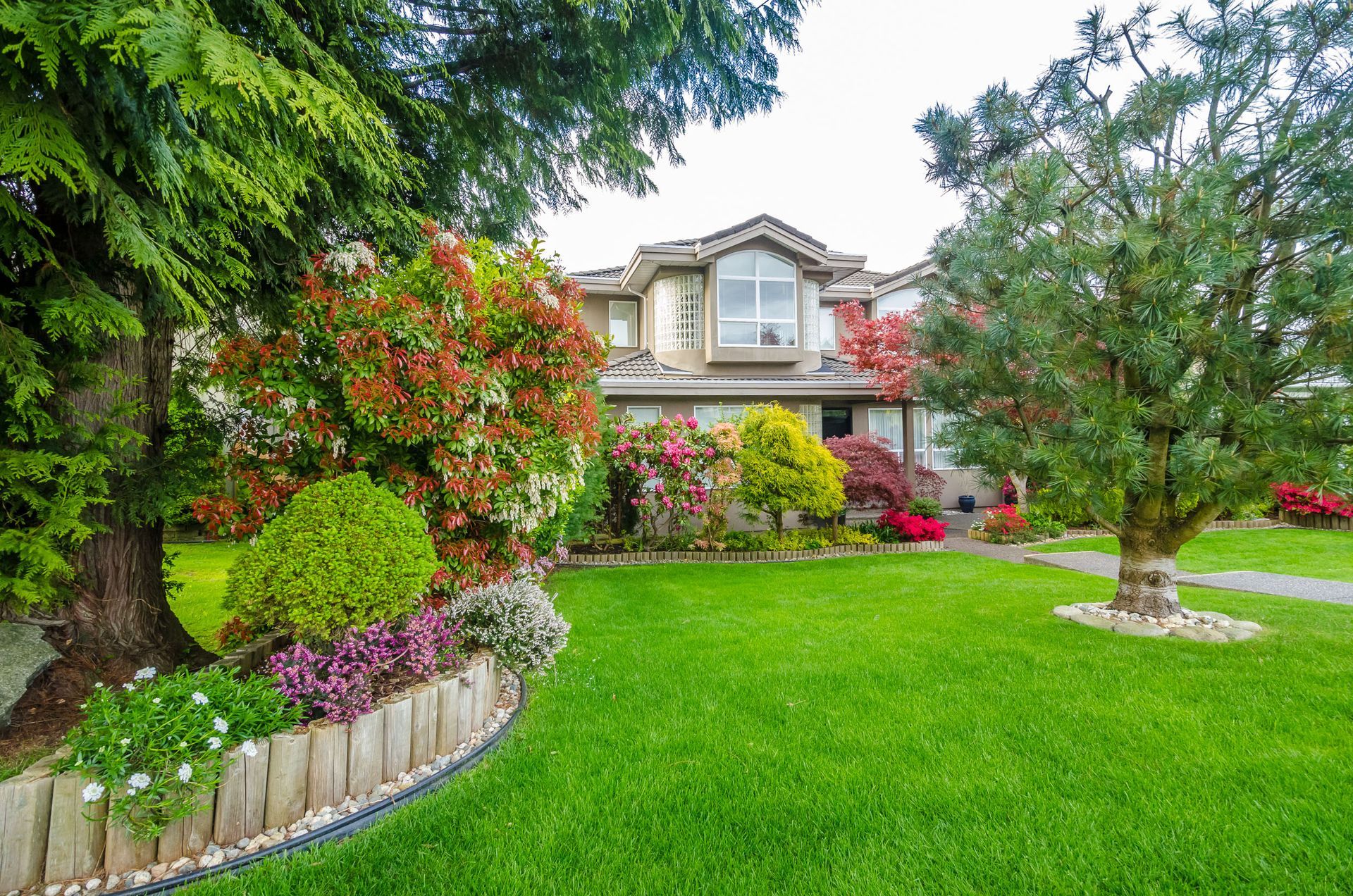
Overgrown or poorly maintained trees can affect more than nearby structures. Dense canopies may limit sunlight to lawns and garden beds, while damaged limbs can fall onto shrubs, flowers, fences, or hardscaping. Surface roots may also create concerns around walkways or landscape features depending on the species and location of the tree. When tree growth is not managed appropriately, homeowners may end up paying to repair or replace other parts of the landscape.
Tree services can help homeowners manage growth in a way that supports the broader landscape. Selective pruning may improve light distribution, reduce branch interference, and create better separation between trees and surrounding features. Professionals can also point out trees that are poorly located or likely to create future conflicts as they mature. Addressing those concerns before significant damage develops can protect landscaping investments and reduce the need for expensive reconstruction, replacement planting, or repairs to outdoor features.
Planning Maintenance Before Problems Grow
Tree care becomes easier to manage financially when it is treated as routine property maintenance rather than an occasional emergency expense. Periodic inspections can help homeowners understand which trees need attention now and which can be monitored for future work. This makes it possible to prioritize projects, spread costs over time, and avoid being surprised by several major tree problems at once. A maintenance plan can also help property owners prepare for seasonal weather and changing tree conditions.
Working with tree services on a regular basis can provide a clearer picture of how trees are developing over time. Professionals may notice changes in canopy density, branch structure, trunk condition, or overall stability that are not obvious during everyday use of the property. Catching those changes early gives homeowners more options for addressing them. Planned maintenance can therefore reduce financial uncertainty while helping preserve the safety, appearance, and long-term value of the landscape.
Professional tree care can save homeowners money by preventing property damage, reducing emergency expenses, preserving mature trees, limiting disease, protecting exterior surfaces, and avoiding costly maintenance mistakes. Small problems are often less expensive to correct when they are found early, while neglected trees can create damage that affects multiple parts of a property. Regular inspections and preventative maintenance can also make future expenses easier to plan and help homeowners get more value from their existing landscape. Instead of waiting until a branch falls or a tree becomes severely damaged, homeowners can take a more proactive approach to care. For professional tree services that can help protect your property and reduce long-term maintenance costs, contact Traditional Tree Service today.
Share On: